논문 제목: Snape Reliable and Low-Cost Computing with Mixture of Spot and On-Demand VMs
시작 시간: 2025-07-21
单词:
Reliable 可信赖的;可靠的
Cost 成本
Mixture 混合的
Demand 需求,需要, On-Demand 按需使用
语法:
“with + 名词” 结构的几种常见用法:
表示工具 / 手段 / 方式(最常见)
- Cut the paper with scissors.(用剪刀剪纸)
- Computing with a mixture of VM types(使用多种 VM 类型进行计算)
表示伴随、携带
- He came with his friends.(他和朋友一起来的)
表示特征 / 状态
- A box with a red ribbon(一个有红色丝带的盒子)
引导伴随状语(更复杂的结构)
- With everyone watching, she began to sing.(在大家都注视的情下,她开始唱歌)
为什么不能用 by?
| 介词 | 用途 | 举例 |
|---|---|---|
| with | 表示工具、手段、身体部位等(强调“用什么东西做某事”) | - Cut with scissors- Hit with a stick- Write with a pen |
| by | 表示执行者、途径、方式(强调“通过谁/怎么做”) | - A book by Hemingway(谁写的)- Travel by train(通过什么方式)- The cake was made by her(被谁做的) |
ABSTRACT 概要
Cloud providers often have resources that are not being fully utilized,
单词:
often 时常(60%):
always 总是,一直(100%)
usually 通常(80%)
frequently 频繁的(70%)
utilized 利用
语法:
be(is/are)+ being + 过去分词(utilized)
例句:The system is being updated.(系统正在被更新。)
主动句(主动进行)They are using the server.(他们正在使用服务器)
被动句(被动进行)The server is being used.(服务器正在被使用)
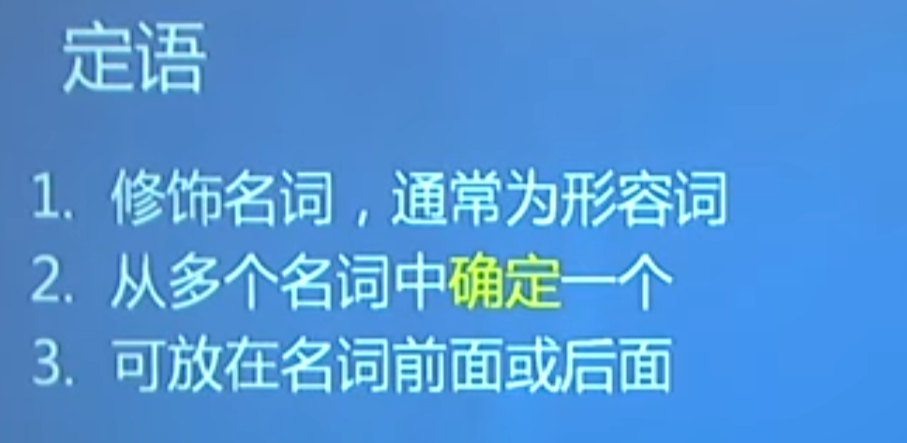
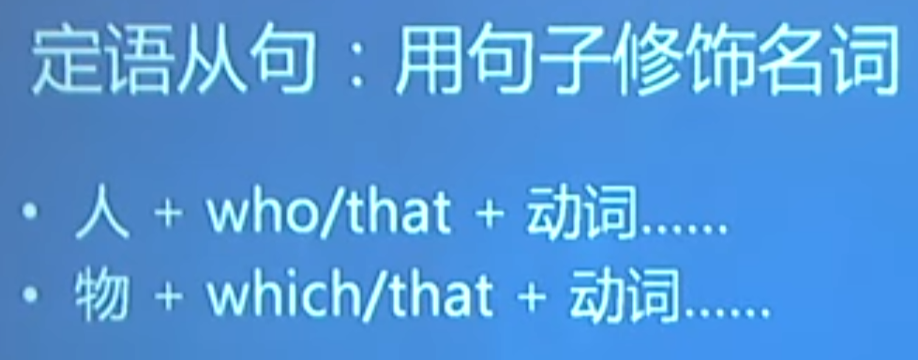
that 引导定语从句:修饰前面的名词。
例句:I saw a movie that made me cry.(我看了一部让我哭的电影。)
https://www.youtube.com/watch?v=bIAFcgs59Ys&list=PLzraVIBodoVCGBnDE-qGPvl9usAaUcvEo&index=2

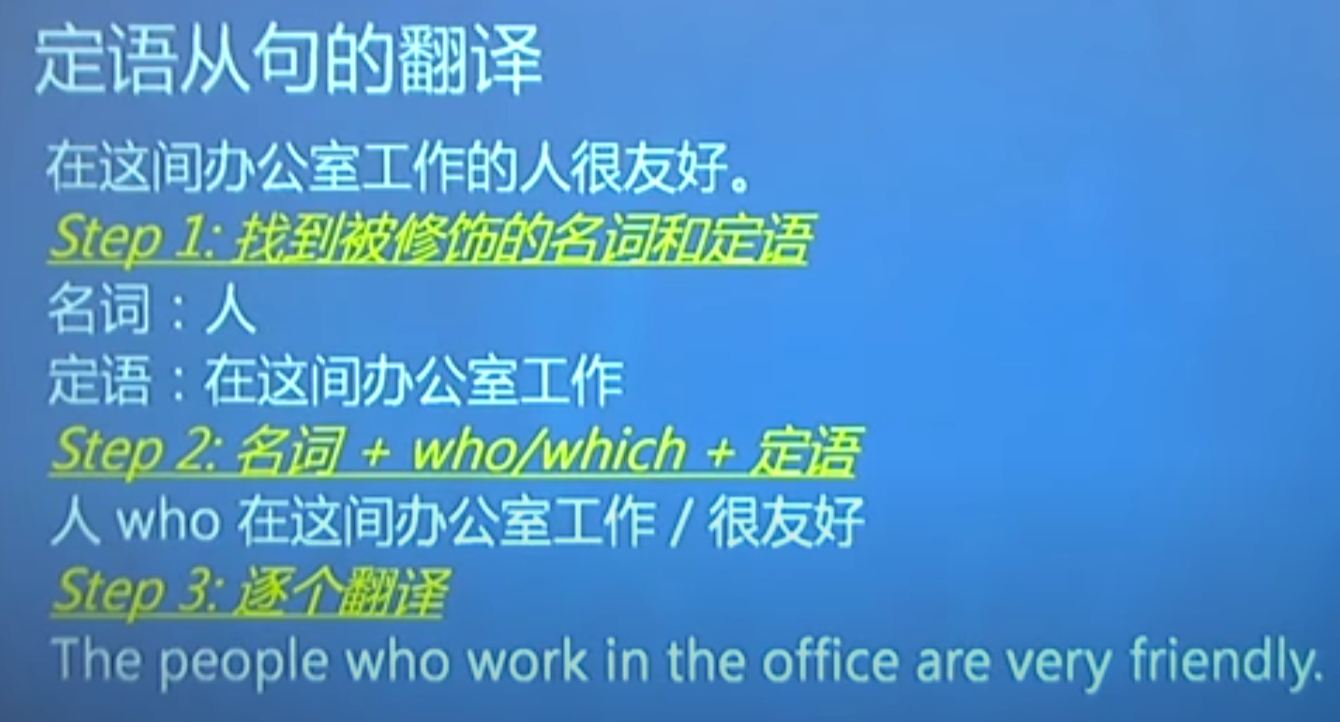
✅ 用现在进行时(你现在这样写的):
The people that are working in the office are very friendly.
强调“正在工作中的那些人”。
✅ 用一般现在时(更常见):
The people who work in the office are very friendly.
= 在办公室工作的人(不是强调“此时此刻”,而是“平时/通常”的情况)
你的句子:
❌ The woman who live in downstairs is a docter
✅ 正确句子:
The woman who lives downstairs is a doctor.
| 原句部分 | 问题 | 正确写法 | 说明 |
|---|---|---|---|
| who live | ❌ 动词形式错误 | ✅ who lives | 主语是 the woman(单数),动词也要用单数:lives |
| in downstairs | ❌ 介词多余 | ✅ downstairs | downstairs 本身就是副词,不能再加 in |
| docter | ❌ 拼写错误 | ✅ doctor | 正确拼写是 doctor |
我要嫁一个我爱的人。
I want to marry with the people who loves me
✅ 推荐改法(说“一个人”):
I want to marry the person who loves me.
I want to marry with the people who is my love
✅ 更自然的改法:
I want to marry the person who I love.
👉(我想嫁给我爱的人)
I want to marry someone I love and who loves me. 👉(我想嫁给我爱的人,也爱我的人)
and they may offer them at a lower cost to make up for the reduced availability of these resources.
为了弥补这些资源可用性降低的情况,他们可能会以更低的成本提供这些资源。
单词,短语:
| 单词/短语 | 中文意思 | 语法角色 | 说明 |
|---|---|---|---|
| may offer | 可能提供 | 助动词 + 动词 | 表示可能性 |
| them | 它们(指资源) | 代词 | 指上文提到的“resources” |
| at a lower cost | 以较低的成本 | 介词短语 | 表示提供的“价格”较低 |
| to make up for | 弥补、补偿 | 动词短语 | 表示“为了补偿……” |
| reduced | 降低的 | 动词 | |
| the reduced availability | 降低的可用性 | 名词短语 | 指这些资源没那么容易拿到了 |
| of these resources | 这些资源的 | 介词短语 | 修饰前面的 availability |
| 包含了 介词短语修饰,功能和定语从句很像 |
看看这个结构:
the reduced availability of these resources
availability = 可用性(名词)
of these resources = 修饰 availability,表示“这些资源的可用性”
这就像是定语从句:
the availability that these resources have
(这些资源拥有的可用性)
但英语里更常用 名词 + 介词短语 的结构来表达这个意思。
比如:
| 类型 | 结构 | 功能 | 是否是定语从句 |
|---|---|---|---|
| 介词短语 | at a lower cost | 修饰整个“offer”的方式 | ❌ 不是定语从句,但功能类似 |
| 定语从句 | that cost less | 修饰“them”这个名词 | ✅ 是定语从句 |
| ✅ 地道表达(介词短语) | ❌ 低效表达(冗长定语从句) |
|---|---|
| the price of the item | the price that the item has |
| live in the city | the city which they live in |
and they may offer these resources at a lower cost to make up for the reduced availability of them. 不是更合适吗
ChatGPT 说:
你的句子语法上是正确的,但在地道的英语表达中,结尾的 “of them” 实际上是 不太自然的。更自然的表达应该是:
✅ ...to make up for the reduced availability of these resources.
为什么 “of them” 不如 “of these resources” 更合适?
1."of them" 是代词 + 介词结构,但在英语中:
- 当先前的名词距离较远、或想让句子更清楚、强调意思时,
- 直接重复那个名词(哪怕之前已经出现)反而更清晰自然。
✅ 举例:
There is a shortage of nurses.
Hospitals are increasing wages to make up for the lack of nurses.
❌ Not: to make up for the lack of them.
2.代词 "them" 在 of 后面容易模糊意思
特别是在表达“...的可用性”时:
- availability of them ← 不清晰,“他们的可用性”还是“它们的”?
- 而 availability of these resources ← 明确,就是“这些资源的可用性”。
所以最地道的句子版本是:
...and they may offer these resources at a lower cost to make up for the reduced availability of these resources.
但这又稍微有点重复,所以最自然的写法通常是:
✅ ...and they may offer them at a lower cost to make up for the reduced availability of these resources.
分词作定语是英语中很常见的语法结构:
| 结构 | 举例 | 中文意思 |
|---|---|---|
| ✅ 过去分词 + 名词 | reduced availability | 被减少的可用性 |
| written report | 写好的报告 | |
| broken window | 被打破的窗户 | |
| ✅ 现在分词 + 名词 | running water | 流动的水 |
| falling leaves | 掉落的树叶 |
However, customers may be hesitant to use such offerings (such as spot VMs) as making trade-offs between cost and resource availability is not always straightforward.
然而,客户可能会对使用此类产品(例如 spot 虚拟机)感到犹豫,因为在成本和资源可用性之间做出权衡并不总是那么容易。
单词:
| 词语 / 短语 | 类型 | 含义 |
|---|---|---|
| However | 连词 | 然而(表示转折) |
| customers | 名词 | 客户,用户(指使用服务的人) |
| hesitant | 形容词 | 犹豫的、迟疑的、不太愿意的 |
| such offerings | 名词短语 | 此类服务/产品(泛指像 spot VMs 这样的云产品) |
| (such as spot VMs) | 插入说明 | 比如 spot 虚拟机(打比方说明“such offerings”指什么) |
| as | 连词 | 因为、由于(在这里引导原因从句) |
| making trade-offs | 动名词短语 | 做出取舍、权衡(指在两个目标之间做出选择) |
| between cost and resource availability | 介词短语 | 在成本与资源可用性之间(的取舍) |
| is not always straightforward | 谓语结构 | 并不总是简单的 / 明确的(有时很复杂) |
In this work, we propose Snape (Spot On-demand Perfect Mixture), an intelligent framework to optimize the cost and resource availability by dynamically mixing on-demand VMs with spot VMs.
在本研究中,我们提出了 Snape(全称为 Spot On-demand Perfect Mixture),这是一个智能框架,旨在通过动态地混合按需虚拟机和抢占式虚拟机来优化成本与资源可用性。
单词:
| 成分 | 单词/短语 | 词性/结构 | 中文含义 |
|---|---|---|---|
| 谓语动词 | propose | 动词 | 提出、提出建议 |
| 宾语 | Snape | 专有名词 | 系统名称(Spot/On-demand Perfect Mixture) |
| 解释说明 | (Spot On-demand Perfect Mixture) | 名词短语 | Snape 的全称 |
| ↳ Mixture | 名词 | 混合体 | |
| 同位语短语 | an intelligent framework | 冠词 + 形容词 + 名词 | 一个智能框架(进一步定义 Snape) |
| 不定式(目的) | to optimize the cost and resource availability | 动词不定式 | 为了优化成本和资源可用性 |
| ↳ to optimize | 不定式动词 | 优化 | |
| ↳ the cost | 名词短语 | 成本 | |
| ↳ resource availability | 名词短语 | 资源可用性 | |
| 介词短语(方式) | by dynamically mixing on-demand VMs with spot VMs | 介词 + 动名词结构 | 通过动态混合 on-demand 与 spot 实例的方式 |
| ↳ dynamically | 副词 | 动态地、实时地 |
Through a detailed characterization based on real production traces, we verify that the eviction of spot VMs is predictable to some extent.
基于真实生产环境的运行轨迹进行详细特性分析后,我们验证了 spot 虚拟机的驱逐在某种程度上是可预测的。
| 成分 | 单词/短语 | 词性/结构 | 中文含义 |
|---|---|---|---|
| 介词短语 | Through a detailed characterization based on real production traces | 介词结构 | 通过基于真实生产轨迹的详细分析 |
| ↳ Through | 介词 | 通过、借助于 | |
| ↳ a detailed characterization | 名词短语 | 一项详细的分析 | |
| ↳ characterization | 名词 | 特性分析、特征描述 | |
| ↳ based on real production traces | 过去分词短语作定语 | 基于真实生产轨迹的 | |
| ↳ production traces | 名词短语 | 生产轨迹、运行日志 | |
| 宾语从句引导词 | that | 连词 | 引导宾语从句 |
| 宾语从句主语 | the eviction of spot VMs | 名词短语 | 抢占式虚拟机的驱逐(被系统强制释放) |
| ↳ eviction | 名词 | 驱逐、回收 | |
| ↳ of spot VMs | 介词短语 | 抢占式虚拟机的(所有关系) | |
| 谓语 | is predictable | 系动词 + 形容词 | 是可预测的 |
| 状语 | to some extent | 副词短语 | 在某种程度上 |
✅ 这个短语 没有用定语从句,而是用了 过去分词短语(非谓语动词)作定语,修饰名词 "characterization"。语义等价于定语从句的简化形式。
| 原句 | 类型 |
|---|---|
| a characterization that is based on real production traces | ✅ 定语从句 |
| a characterization based on real production traces | ❌ 不是定语从句,而是分词短语 |
Snape also leverages constrained reinforcement learning to adjust the mixture policy online.
Snape 还利用了受限强化学习,在运行时动态调整资源混合策略。
| 成分 | 单词/短语 | 词性 | 中文含义 |
|---|---|---|---|
| 主语 | Snape | 专有名词 | 系统名称(Spot/On-demand 的混合调度框架) |
| 谓语动词 | leverages | 动词 | 利用、运用(比 use 更强调策略性) |
| 宾语短语(技术方法) | constrained reinforcement learning | 名词短语 | 受限强化学习 |
| ↳ 子成分 | constrained | 形容词 | 受限制的、带约束的 |
| ↳ 子成分 | reinforcement | 名词 | 强化(用于指 reinforcement learning) |
| ↳ 子成分 | learning | 名词 | 学习(机器学习中的“学习”) |
| 不定式(目的) | to adjust | 不定式 | 为了调整 |
| ↳ 子成分 | adjust | 动词 | 调整、调节 |
| 宾语(策略对象) | the mixture policy | 名词短语 | 混合策略 |
| ↳ 子成分 | mixture | 名词 | 混合、组合 |
| ↳ 子成分 | policy | 名词 | 策略、方针 |
| 状语(方式) | online | 副词 | 在线地、实时地 |
Experiments across different configurations show that Snape achieves 44% savings compared to using only on-demand VMs while maintaining 99.96% availability, which is 2.77% higher than using only spot VMs.
在多种配置下的实验表明,Snape 相比仅使用按需 VM 可节省 44% 成本,同时维持 99.96% 的可用性,这比仅使用 spot VM 高出 2.77%。
| 成分 | 单词/短语 | 词性 | 中文含义 |
|---|---|---|---|
| 主语 | experiments | 名词 | 实验 |
| 介词短语(修饰主语) | across different configurations | 介词短语 | 在不同配置下 |
| ↳ across | 介词 | 跨越、在……中 | |
| ↳ configurations | 名词 | 配置、设定 | |
| 宾语从句 | that Snape achieves 44% savings... | 从句 | 表明的内容 |
| ↳ achieves | 动词 | 实现、获得 | |
| ↳ 44% savings | 名词短语 | 44% 的成本节省 | |
| 比较状语 | compared to using only on-demand VMs | 介词短语 | 与仅使用按需 VM 相比 |
| ↳ compared to | 介词短语 | 与……比较 | |
| ↳ using only on-demand VMs | 动名词短语 | 只使用按需虚拟机 | |
| ↳ using | 动名词 | 使用 | |
| 同时状语 | while maintaining 99.96% availability | 连词 + 动名词结构 | 同时保持 99.96% 的可用性 |
| ↳ maintaining | 动名词 | 维持、保持 | |
| ↳ availability | 名词 | 可用性 | |
| 定语从句 | which is 2.77% higher than using only spot VMs | 定语从句 | 修饰上文“availability” |
| ↳ 2.77% higher than... | 比较结构 | 高出 2.77% | |
| ↳ using only spot VMs | 动名词短语 | 只使用抢占式虚拟机 |
1 INTRODUCTION
Large cloud providers typically ensure that their services are always available and reliable by allocating a sufficient amount of computing resources, so that it appears to customers that resources are never in short supply.
大型云服务提供商通常会通过分配足够的计算资源,来确保其服务始终可用且可靠,从而让客户感觉资源从未短缺。
| 成分 | 单词/短语 | 词性/结构 | 中文含义 |
|---|---|---|---|
| 副词 | typically | 副词 | 通常,典型地 |
| 谓语 | ensure | 动词 | 确保 |
| 宾语从句引导词 | that | 连词 | 引导宾语从句 |
| 宾语从句主语 | their services | 名词短语 | 他们的服务 |
| ↳ their | 代词 | 他们的 | |
| ↳ services | 名词 | 服务 | |
| 宾语从句谓语 | are available and reliable | 系动词 + 形容词并列 | 是可用且可靠的 |
| ↳ always | 副词 | 一直、始终 | |
| ↳ available | 形容词 | 可用的 | |
| ↳ reliable | 形容词 | 可靠的 | |
| 方式状语 | by allocating a sufficient amount of computing resources | 介词短语 | 通过分配足够的计算资源 |
| ↳ by | 介词 | 通过,以……方式 | |
| ↳ allocating | 动名词 | 分配(资源) | |
| ↳ a sufficient amount of | 形容词短语 | 足够的(用于不可数名词) | |
| ↳ sufficient | 形容词 | 足够的 | |
| ↳ amount | 名词 | 量 | |
| ↳ of computing resources | 介词短语 | 计算资源的 | |
| 结果状语从句引导 | so that | 连词 | 以便、从而(表示结果) |
| 从句主语 | it | 形式主语 | 它(形式上指代后面的从句内容) |
| 谓语 | appears | 动词 | 显得、看起来 |
| 介词短语 | to customers | 介词短语 | 对客户而言 |
| 真主语从句 | that resources are never in short supply | 名词性从句 | 资源从未短缺 |
| ↳ are never | 系动词 + 否定副词 | 从不(否定) | |
| ↳ in short supply | 介词短语 | 供应短缺、稀缺状态中 |
为什么用 typically 不用 usually frequently?
| 副词 | 示例句 | 中文翻译 |
|---|---|---|
| typically | Cloud providers typically offer multiple availability zones. | 云服务商通常提供多个可用区。→ 是常规做法 |
| usually | I usually back up my files on Fridays. | 我通常在周五备份文件。→ 是个人习惯 |
| frequently | Spot instances are frequently terminated without warning. | Spot 实例经常在无预警下被终止。→ 是高频行为 |
Computing with a mixture of VM types. by allocating a sufficient amount of computing resources 为什么上面用with下面用by?
| 短语 | 介词 | 侧重点 | 用法类别 |
|---|---|---|---|
| with a mixture of VM types | with | 说明参与计算的“配置/搭配工具” | 陪伴、条件、组成 |
| by allocating resources | by | 说明达成目标的“手段/方法” | 动作方式、因果 |
✅ 更直观的类比:
- I cook with a wok. (我用炒锅炒菜 → 工具)
- I improved the dish by adding soy sauce. (我通过加酱油让菜更好吃 → 方法)
✨ 总结:
- with 说明“你使用了什么来做这件事”(强调参与或成分);
- by 说明“你通过什么动作/手段实现了目的”(强调过程方式)。
This often leads to underutilized resources, and cloud providers are motivated to monetize excess capacity by selling them at discounted prices to compensate for the degradation in resource availability.
这常常导致资源未被充分利用,云服务提供商因而被激励将多余容量进行变现,通过以折扣价出售这些资源,以补偿资源可用性下降所带来的影响。
| 成分 | 单词/短语 | 词性/结构 | 中文含义 |
|---|---|---|---|
| 谓语 | leads to | 动词短语 | 导致、引发 |
| 宾语 | underutilized resources | 形容词 + 名词 | 未充分利用的资源 |
| 谓语被动 | are motivated to do... | 被动结构 | 被激励去做…… |
| 动词不定式 | to monetize excess capacity | 动词不定式 | 将多余资源变现 |
| ↳ monetize | 动词 | 盈利化、变现 | |
| ↳ excess capacity | 名词短语 | 过剩的资源容量 | |
| 方式状语 | by selling them at discounted prices | by + V-ing | 通过以折扣价出售它们 |
| ↳ at discounted prices | 介词短语 | 以打折价格 | |
| 目的状语 | to compensate for the degradation in resource availability | 不定式结构 | 为了弥补资源可用性的下降 |
| ↳ compensate for | 动词短语 | 补偿,弥补 | |
| ↳ degradation | 名词 | 降低、退化 | |
| ↳ in resource availability | 介词短语 | 在资源可用性方面 |
Example offerings include spot virtual machine (VM), spot block VM and harvest VM.
示例服务包括:抢占式虚拟机(spot VM)、块状抢占式虚拟机(spot block VM)以及收割型虚拟机(harvest VM)。
| 成分 | 单词/短语 | 词性/结构 | 中文含义 |
|---|---|---|---|
| 主语 | Example offerings | 名词短语 | 示例产品 / 示例服务 |
| ↳ offerings | 名词复数 | 提供的服务或产品(特别是云服务中) | |
| 宾语 2 | spot block VM | 名词短语 | 抢占式块状虚拟机(有时间约束) |
| 宾语 3 | harvest VM | 名词短语 | 可收割式虚拟机(低优先级、成本更低) |
| ↳ harvest | 动词/名词 | 收割、可被系统回收 |
The trade-off between cost-effectiveness and resource availability often creates a dilemma for users.
在成本效益与资源可用性之间的权衡,常常让用户陷入两难。
| 成分 | 单词/短语 | 词性/结构 | 中文含义 |
|---|---|---|---|
| 主语 | The trade-off between cost-effectiveness and resource availability | 名词短语 | 在性价比与资源可用性之间的权衡 |
| ↳ cost-effectiveness | 名词 | 成本效益、性价比 | |
| 谓语动词 | creates | 动词 | 造成、带来、制造 |
| 宾语 | a dilemma for users | 名词短语 | 用户面临的两难困境 |
| ↳ a dilemma | 名词 | 困境、进退两难的局面 |
On the one hand, some workloads, such as machine learning training and inferencing, caching, and big data processing, can potentially run at reduced reliability for lower cost.
一方面,一些工作负载(如机器学习训练与推理、缓存、大数据处理)可以在较低的可靠性下运行,以换取更低的成本。
| 成分 | 单词 / 短语 | 词性 / 结构 | 中文含义 |
|---|---|---|---|
| 连接短语 | On the one hand | 介词短语 | 一方面(用于引出对比结构) |
| 主语 | some workloads | 形容词 + 名词 | 一些工作负载(任务类型) |
| ↳ workloads | 名词 | 工作负载,任务(如计算任务) | |
| 插入说明 | such as machine learning training and inferencing, caching, and big data processing | 介词短语 | 例如:机器学习训练与推理、缓存、大数据处理 |
| ↳ such as | 介词短语 | 例如、比如 | |
| ↳ machine learning | 名词短语 | 机器学习 | |
| ↳ training | 名词 | 模型训练 | |
| ↳ inferencing | 名词 | 模型推理(inference 的动名词形式) | |
| ↳ big data processing | 名词短语 | 大数据处理 | |
| 情态动词 + 副词 | can potentially | 情态 + 副词 | 可能、有潜力地 |
| 状语(条件) | at reduced reliability | 介词短语 | 在降低的可靠性下 |
| ↳ at | 介词 | 以……的状态、条件下 | |
| ↳ reduced | 形容词(过去分词) | 降低了的 | |
| ↳ reliability | 名词 | 可靠性 | |
| 目的状语 | for lower cost | 介词短语 | 为了更低的成本 |
| ↳ for | 介词 | 为了,换取 | |
| ↳ cost | 名词 | 成本 |
On the other hand, cloud providers, while sharing some information about resource availability such as estimated eviction rates for spot VMs at the region level, do not guarantee resource availability.
另一方面,尽管云服务提供商会共享一些关于资源可用性的信息(例如区域级别的 spot 实例预估回收率),但他们并不保证资源可用性。
| 成分 | 单词 / 短语 | 词性 / 结构 | 中文含义 |
|---|---|---|---|
| 对比短语 | On the other hand | 介词短语 | 另一方面(用于与上文“on the one hand”对照) |
| 主语 | cloud providers | 名词短语 | 云服务提供商 |
| 插入结构 | while sharing some information about resource availability... | 分词结构(让步状语) | 尽管他们共享一些资源可用性的信息 |
| ↳ while | 连词 | 尽管(引导让步) | |
| ↳ some information | 名词短语 | 一些信息 | |
| ↳ about resource availability | 介词短语 | 关于资源可用性的 | |
| 举例说明(插入结构) | such as estimated eviction rates for spot VMs at the region level | 介词短语 | 例如:区域级别的 spot VM 预估回收率 |
| ↳ such as | 介词短语 | 例如 | |
| ↳ estimated | 形容词 | 估计的,预估的 | |
| ↳ eviction rates | 名词短语 | 回收率,被驱逐率(VM 被系统中断的频率) | |
| ↳ for spot VMs | 介词短语 | 针对 spot 实例的 | |
| ↳ at the region level | 介词短语 | 在区域级别(而非具体实例级别) | |
| 谓语 | do not guarantee | 否定动词结构 | 不保证,不承诺 |
| 宾语 | resource availability | 名词短语 | 资源可用性 |
Figure 1 shows an incident caused by the unexpected high evictions of spot VMs.
图 1 展示了一起由 Spot 虚拟机意外大规模回收所引发的事件。
| 成分 | 单词 / 短语 | 词性 / 结构 | 中文含义 |
|---|---|---|---|
| 宾语 | an incident caused by... | 名词短语 | 一个事件(由……引起) |
| ↳ an incident | 名词 | 一次事件、事故 | |
| ↳ caused by... | 过去分词短语作定语 | 由……引起的(修饰 incident) | |
| ↳ by the unexpected high evictions of spot VMs | 介词短语 | 由意料之外的大量 spot 实例回收引起 | |
| ↳ unexpected | 形容词 | 出乎意料的 | |
| ↳ evictions | 名词(复数) | 回收、驱逐(spot VM 被系统中断) |
For months, prior to the incident, the eviction rate had remained stable, leading service owners to believe it would be safe to use spot VMs with some level of overprovisioning based on the estimated eviction rate.
在该事件发生之前的几个月里,Spot 实例的回收率一直保持稳定,这导致服务拥有者相信,只要基于估算的回收率做一些冗余配置,使用 Spot 实例是安全的。
| 成分 | 单词 / 短语 | 词性 / 结构 | 中文含义 |
|---|---|---|---|
| 时间状语 1 | For months | 介词短语 | 持续了数月 |
| 时间状语 2 | prior to the incident | 介词短语 | 在该事件之前 |
| 主语 | the eviction rate | 名词短语 | 回收率(指 spot 实例被中止的频率) |
| 谓语 | had remained | 过去完成时动词 | 一直保持 |
| 表语 | stable | 形容词 | 稳定的 |
| 结果状语 | leading service owners to believe... | 现在分词短语 | 导致服务所有者相信…… |
| ↳ leading | 现在分词 | 引导,导致(= causing) | |
| ↳ service owners | 名词短语 | 服务所有者(系统或应用运维方) | |
| 不定式宾语 | to believe (that...) | 不定式结构 | 相信…… |
| 从句主语 | it | 形式主语 | 它(形式主语,代指后面不定式) |
| 从句谓语 | would be | 情态动词 + be | 将是(带有推测语气) |
| 不定式真正主语 | to use spot VMs with some level of overprovisioning... | 不定式结构 | 使用 Spot 实例并进行一定程度的冗余配置 |
| ↳ with some level of overprovisioning | 介词短语 | 搭配某种程度的过度配置(冗余保障) | |
| ↳ some level of | 名词短语 | 一定程度的 | |
| ↳ overprovisioning | 名词 | 超额配置,预留额外资源 | |
| 修饰状语 | based on the estimated eviction rate | 过去分词短语 | 基于预估的回收率 |
| ↳ estimated | 形容词 | 预估的 | |
| ↳ eviction rate | 名词短语 | 回收率、被中止率 |
However, around 4am, the eviction rate suddenly increased, resulting in the eviction of approximately 60% of spot VMs.
然而,在凌晨四点左右,Spot 实例的回收率突然上升,导致大约 60% 的 Spot 虚拟机被回收。
| 成分 | 单词 / 短语 | 词性 / 结构 | 中文含义 |
|---|---|---|---|
| 时间状语 | around 4am | 介词短语 | 大约凌晨四点左右 |
| 主语 | the eviction rate | 名词短语 | 回收率、驱逐率(spot 实例被中止的频率) |
| 副词 | suddenly | 副词 | 突然地,出乎意料地 |
| 谓语动词 | increased | 动词(过去式) | 增加,上升 |
| 结果状语 | resulting in the eviction of... | 现在分词短语(结果状语) | 导致……被回收(表示结果) |
| ↳ resulting in | 现在分词短语 | 导致(表示某动作的结果) | |
| ↳ the eviction of... | 名词短语 | 对……的驱逐(被动结果) | |
| ↳ approximately 60% | 副词 + 数词 | 大约 60% | |
| ↳ of spot VMs | 介词短语 | Spot 虚拟机的(所属关系) |
Although there was no noticeable impact at the time due to low traffic, the service health began to drop around 3pm as traffic increased.
尽管当时由于流量较低并未产生明显影响,但随着流量在下午三点左右上升,服务健康状况开始下降。
| 成分 | 单词 / 短语 | 词性 / 结构 | 中文含义 |
|---|---|---|---|
| 让步状语从句引导词 | Although | 连词 | 尽管(引导让步状语从句) |
| 虚主语结构 | there was no noticeable impact | 虚主语句型 | 并无明显影响(当时) |
| ↳ there was | 存在句 | 有……(用于描述发生/存在) | |
| ↳ noticeable | 形容词 | 明显的、可察觉的 | |
| ↳ impact | 名词 | 影响 | |
| 时间状语 | at the time | 介词短语 | 在当时 |
| 原因状语 | due to low traffic | 介词短语 | 因为流量低(说明没有影响的原因) |
| 主句主语 | the service health | 名词短语 | 服务健康状态(系统稳定性/响应指标) |
| 谓语动词短语 | began to drop | 动词 + 不定式 | 开始下降 |
| 时间状语 | around 3pm | 介词短语 | 大约下午 3 点 |
| 原因状语从句 | as traffic increased | 从属连词 + 动词 | 随着流量上升(说明健康下降的原因) |
| ↳ as | 连词 | 随着……(表示同时发生或因果) | |
| ↳ traffic | 名词 | 流量(请求量) | |
| ↳ increased | 动词(过去式) | 增加,上升 |
Figure 1: A real service incident due to unexpected high eviction rates of spot VMs (metrics are normalized and time is shifted to UTC).
图 1:一次由于 Spot 虚拟机意外高回收率引发的真实服务事故(所有指标已归一化,时间已转换为 UTC)。
| 成分 | 单词 / 短语 | 词性 / 结构 | 中文含义 |
|---|---|---|---|
| 图注标识 | Figure 1 | 专有名词 | 图 1 |
| 标题短语 | A real service incident | 冠词 + 形容词 + 名词短语 | 一次真实的服务事故 |
| 原因状语 | due to unexpected high eviction rates of spot VMs | 介词短语 | 由于 spot 虚拟机的意外高回收率 |
| ↳ due to | 介词短语 | 由于(表示原因) | |
| ↳ unexpected | 形容词 | 意料之外的 | |
| ↳ eviction rates | 名词短语 | 回收率,驱逐率 | |
| ↳ of spot VMs | 介词短语 | Spot 实例的(所有关系) | |
| 括号补充说明 | (metrics are normalized and time is shifted to UTC) | 括号句,陈述语态 | (指标已归一化,时间已转换为 UTC) |
| ↳ metrics | 名词(复) | 指标、度量值 | |
| ↳ are normalized | 被动语态 | 被标准化 / 归一化 | |
| ↳ is shifted to UTC | 被动语态 + 地点状语 | 被转换为协调世界时(UTC) |
One natural solution to prevent similar incidents as the above is to deploy services in a VM Scaling Group (VMSG) with both spot and on-demand VMs, so that there would still be enough on-demand VMs to support services even if all spot instances were evicted.
为了防止上述类似事件,一种自然的解决方案是在 VM 扩展组(VMSG)中部署服务,混合使用 Spot 和 On-demand 实例,这样即使所有 Spot 实例都被回收,也仍有足够的 On-demand 实例来支撑服务。
| 成分 | 单词 / 短语 | 词性 / 结构 | 中文含义 |
|---|---|---|---|
| 主语 | One natural solution to prevent... | 名词短语 | 一个自然的解决方案 |
| ↳ natural solution | 名词短语 | 自然的(直观的)解决方法 | |
| ↳ to prevent similar incidents as the above | 不定式短语 | 防止类似上述事件 | |
| 表语 | to deploy services in a VM Scaling Group with both spot and on-demand VMs | 不定式结构 | 在 VMSG 中部署混合实例服务 |
| ↳ VM Scaling Group (VMSG) | 名词 | 虚拟机扩展组 | |
| ↳ with both spot and on-demand VMs | 介词短语 | 包含 Spot 和 On-demand 虚拟机 | |
| 结果状语从句 | so that... | 连词引导 | 以便……(目的) |
| ↳ there would still be enough on-demand VMs | 虚拟语气结构 | 仍有足够的按需实例 | |
| ↳ to support services | 不定式 | 支撑服务 | |
| ↳ even if all spot instances were evicted | 让步从句 | 即使所有 Spot 实例被回收 |
Cloud providers have begun providing such offerings recently as described in Section 2.1.
如第 2.1 节所述,云服务提供商近来也已开始提供这类服务。
| 成分 | 单词 / 短语 | 词性 / 结构 | 中文含义 |
|---|---|---|---|
| 谓语 | have begun providing | 现在完成时 | 已开始提供 |
| 宾语 | such offerings | 名词短语 | 这类产品/服务 |
| 时间状语 | recently | 副词 | 最近 |
| 附加说明 | as described in Section 2.1 | 被动语态分词短语 | 如 2.1 节所描述的 |
However, all of them either support a static mixture ratio of spot and on-demand VMs or allocate spot instances in a greedy fashion, which can be less cost-effective when the eviction rate is low.
然而,它们要么仅支持静态的 Spot 和 On-demand 实例配比,要么以贪婪方式分配 Spot 实例,这在回收率较低时可能成本效率较差。
| 成分 | 单词 / 短语 | 词性 / 结构 | 文含义 |
|---|---|---|---|
| 并列谓语 | either support... or allocate... | 对等结构 | 要么……,要么…… |
| ↳ support a static mixture ratio | 动词 + 宾 | 支持固定比例 | |
| ↳ allocate spot instances | 动词短语 | 分配 Spot 实例 | |
| ↳ in a greedy fashion | 介词短语 | 以贪婪方式(最大化 spot 使用) | |
| 定语从句 | which can be less cost-effective... | 关系代词引导 | 这可能在某些情况下不划算 |
| ↳ cost-effective | 形容词 | 成本有效的,有性价比的 | |
| ↳ when the eviction rate is low | 时间状语从句 | 当回收率较低时 |
To better balance cost and resource reliability, this work proposes an intelligent framework Snape (Spot On-demand Perfect Mixture), which dynamically adjusts the number of on-demand and spot VMs by leveraging the fact that the eviction of spot VMs is predictable to some extent.
为了更好地平衡成本与资源的可靠性,本文提出了一个智能框架 Snape(Spot 与 On-demand 的完美混合)。该框架可以动态调整 Spot 和 On-demand 实例的数量,方法是利用这样一个事实:Spot 实例的回收在某种程度上是可以预测的。
| 成分类别 | 英文内容 | 词性 / 结构 | 文含义 |
|---|---|---|---|
| 谓语 | proposes | 动词 | 提出(一个方案) |
| 宾语 | an intelligent framework Snape | 名词短语 | 一种智能框架 Snape |
| ↳ Spot On-demand Perfect Mixture | 缩写解释 | Snape 的全称,意思是“Spot 与 On-demand 的完美混合” | |
| 定语从句 | which dynamically adjusts... | 关系从句 | 它能动态调整...(修饰 Snape) |
| ↳ dynamically | 副词 | 动态地,灵活地 | |
| ↳ adjusts | 动词 | 调整,调节 | |
| ↳ the number of on-demand and spot VMs | 名词短语 | 按需实例与抢占式实例的数量 | |
| 方法状语 | by leveraging the fact that... | 介词短语 | 通过利用……这一事实 |
| ↳ leveraging | 动名词 | 利用(某个优势、特性) | |
| 宾语 | the fact that the eviction of spot VMs is predictable to some extent | 名词从句 | Spot 实例的回收在某种程度上是可预测的这一事实 |
| ↳ the eviction of spot VMs | 名词短语 | Spot 虚拟机的回收行为 | |
| ↳ is predictable | 系动词 + 形容词 | 是可预测的 | |
| ↳ to some extent | 副词短语 | 在某种程度上 |
As the first step to demonstrate the effectiveness of Snape, we introduce a new VMSG in which the number of in-service VMs is equal to or greater than a specified target number that meets a service level objective (SLO), while allowing the number of spot and on-demand VMs to vary for optimized cost saving.
为了展示 Snape 的有效性,我们首先引入一个新的 VM 扩展组(VMSG)。
在这个组中,正在运行的虚拟机数量始终大于或等于一个预设目标值,该目标满足服务水平目标(SLO);同时,Spot 和 On-demand 实例的数量可以灵活变化,以实现成本的最优化节省。
| 成分类别 | 英文内容 | 词性 / 结构 | 中文含义 |
|---|---|---|---|
| 时间/步骤状语 | As the first step to demonstrate the effectiveness of Snape | 介词短语 | 作为展示 Snape 有效性的第一步 |
| ↳ As | 介词 | 作为……(表示步骤或角色) | |
| ↳ to demonstrate... | 不定式短语 | 为了展示…… | |
| ↳ the effectiveness of Snape | 名词短语 | Snape 的有效性 | |
| 谓语 | introduce | 动词 | 引入,提出 |
| 定语从句 | in which the number of in-service VMs is equal to or greater than a specified target number... | 关系从句 | 其中,正在运行的 VM 数量不小于某个目标值 |
| ↳ in which | 关系副词 + 介词结构 | 在其中(VMSG) | |
| ↳ the number of in-service VMs | 名词短语 | 正在服务中的 VM 数量 | |
| ↳ is equal to or greater than | 系动词 + 比较结构 | 等于或大于 | |
| ↳ a specified target number | 名词短语 | 被设定的目标数量 | |
| ↳ that meets a service level objective (SLO) | 定语从句 | 满足服务水平目标(SLO)的 | |
| ↳ service level objective (SLO) | 专业术语 | 服务水平目标(如响应时间、可靠性) | |
| 并列状语 | while allowing the number of spot and on-demand VMs to vary for optimized cost saving | 现在分词结构(伴随状语) | 同时允许 Spot 与 On-demand VM 数量变动以实现成本优化 |
| ↳ while | 连词 | 同时/与此同时 | |
| ↳ allowing | 现在分词 | 允许,使得 | |
| ↳ the number of spot and on-demand VMs | 名词短语 | Spot 与 On-demand 虚拟机的数量 | |
| ↳ to vary | 不定式 | 发生变化,浮动 | |
| ↳ for optimized cost saving | 介词短语 | 为了优化成本节省(目标) |
We defined the VMSG SLO in Section 3.2 regarding the availability of VMs. Customers provide both the target number of in-service VMs and the Service Level Objectives (SLOs). SLOs can be less strict (e.g., three nines) than those for on-demand VMs (four or five nines).
我们在第 3.2 节中定义了 VMSG(虚拟机扩展组)的服务水平目标(SLO),其重点在于虚拟机的可用性。
客户需要提供两项内容:目标运行虚拟机的数量,以及期望的服务水平目标(SLO)。
相较于按需虚拟机通常要求的更高可用性(例如四个九或五个九),这类 SLO 通常可以设定得较为宽松(例如三个九)。
| 成分类别 | 英文内容 | 词性 / 结构 | 中文含义 |
|---|---|---|---|
| 谓语 | defined | 动词过去式 | 定义了 |
| 宾语 | the VMSG SLO | 名词短语 | VMSG(虚拟机扩展组)的服务水平目标 |
| 介词补足说明 | regarding the availability of VMs | 介词短语 | 关于虚拟机的可用性 |
| 主语 | Customers | 名词复数 | 客户 |
| 宾语(并列) | both the target number of in-service VMs and the Service Level Objectives (SLOs) | 并列名词结构 | 提供运行中虚拟机的目标数量和服务水平目标(SLO) |
| ↳ the target number of in-service VMs | 名词短语 | 正在运行的虚拟机的目标数量 | |
| ↳ the Service Level Objectives (SLOs) | 名词短语 | 服务水平目标 | |
| 主语 | SLOs | 名词复数 | 服务水平目标(复数) |
| 谓语 | can be less strict | 情态动词 + 形容词 | 可以不那么严格 |
| 例子(插入语) | (e.g., three nines) | 括号说明 | 例如“三个九”——即 99.9% 可用性 |
| 比较结构 | than those for on-demand VMs | 比较句 | 比起按需虚拟机(On-demand VM)的目标来说更宽松 |
| ↳ four or five nines | 名词短语(括号引文) | 四个九(99.99%)或五个九(99.999%)的高可用性标准 |
| 表达(可用性百分比) | 每年允许中断时间 |
|---|---|
| 3 nines (99.9%) | 一年中最多 8.76 小时 |
| 4 nines (99.99%) | 一年中最多 52.6 分钟 |
| 5 nines (99.999%) | 一年中最多 5.26 分钟 |
Obtaining an optimal mixture plan is challenging on several aspects:
获得一个最优的混合策略(即 Spot 与 On-demand 实例的组合)在多个方面都面临挑战:
(1) To predict the evictions of spot VMs, the various factors leading to eviction at both global and local levels need to be studied.
- 预测 Spot 实例的回收行为非常困难,因为必须研究多个导致回收的因素,这些因素既包括全局层面也包括本地层面。
(2) The uncertainty associated with eviction rate prediction makes tracking the SLO over time complex; optimal mixture decisions would depend on the available SLO budget and the level of uncertainty in the prediction. - 回收率预测中存在的不确定性使得在时间上持续满足 SLO 变得复杂;而最优的混合决策往往依赖于可用的 SLO 预算,以及预测中不确定性的程度。
(3) A less-optimized “myopic” decision could be made if only short-term eviction prediction results are considered. This can arise when the eviction rate is fast-varying. - 如果仅考虑短期预测结果,可能会做出次优的“短视型”决策(myopic decision);这种情况常见于回收率变化剧烈的场景中。
| 成分类别 | 英文内容 | 词性 / 结构 | 中文含义 |
|---|---|---|---|
| 主语结构(总述) | Obtaining an optimal mixture plan | 动名词短语 | 获得一个最优的混合策略(主语) |
| 表语 | challenging on several aspects | 形容词短语 | 在多个方面具有挑战性 |
| 成分类别 | 英文内容 | 词性 / 结构 | 中文含义 |
|---|---|---|---|
| 不定式目的状语 | To predict the evictions of spot VMs | 不定式短语 | 为了预测 Spot 实例的回收行为 |
| 主语 | the various factors leading to eviction at both global and local levels | 名词短语 + 现在分词从句 | 各种导致回收的因素(包括全局和本地层面) |
| ↳ leading to eviction | 分词短语(后置定语) | 导致回收的 | |
| ↳ at both global and local levels | 介词短语 | 在全局与本地两个层面上 | |
| 谓语 | need to be studied | 被动语态 | 需要被研究 |
| 成分类别 | 英文内容 | 词性 / 结构 | 中文含义 |
|---|---|---|---|
| 主语 | The uncertainty associated with eviction rate prediction | 名词短语 + 介词短语 | 与回收率预测相关的不确定性 |
| ↳ associated with... | 过去分词短语 | 与……相关的 | |
| 宾语 | tracking the SLO over time complex | 名词短语 + 形容词 | 长期跟踪 SLO 变得复杂 |
| 并列句(分号连接) | optimal mixture decisions would depend on... | 条件状语句结构 | 最优混合决策依赖于…… |
| ↳ the available SLO budget | 名词短语 | 可用的 SLO 预算 | |
| ↳ the level of uncertainty in prediction | 名词短语 | 预测过程中的不确定性程度 |
| 成分类别 | 英文内容 | 词性 / 结构 | 中文含义 |
|---|---|---|---|
| 主语 | A less-optimized “myopic” decision | 名词短语 | 一个优化程度较低的“短视型”决策 |
| 情态谓语 | could be made | 情态动词 + 被动语态 | 可能被做出 |
| 条件状语从句 | if only short-term eviction prediction results are considered | if 引导条件句结构 | 如果只考虑短期的回收预测结果 |
| 结果句 | This can arise when the eviction rate is fast-varying | 结果句(this 指上文所述情况) | 这种情况可能出现在回收率快速波动时 |
| ↳ when the eviction rate is fast-varying | 时间状语从句 | 当回收率变化很快时 |
To address these challenges, we first characterize the eviction behaviors of spot VMs by examining traces collected over three months from a leading cloud provider in Section 3.
为了解决这些挑战,我们首先在第 3 节中,通过分析来自一家领先云服务提供商、为期三个月的使用追踪数据,刻画了 Spot 实例的回收行为特征。
| 成分类别 | 英文内容 | 词性 / 结构 | 中文含义 |
|---|---|---|---|
| 目的状语 | To address these challenges | 不定式短语 | 为了解决这些挑战 |
| 谓语 | first characterize | 动词短语(first 为副词,表示顺序) | 首先刻画 / 分析 |
| 宾语 | the eviction behaviors of spot VMs | 名词短语 | Spot 虚拟机的回收行为 |
| 方法状语 | by examining traces collected over three months | 介词短语 | 通过分析三个月收集的使用痕迹数据 |
| ↳ examining traces | 动名词短语 | 检查 / 分析(历史)追踪数据 | |
| ↳ collected over three months | 过去分词短语(修饰 traces) | 在三个月内收集的 | |
| 地点/出处状语 | from a leading cloud provider | 介词短语 | 来自某头部云服务提供商 |
For example, we find that the eviction rate is higher on weekdays and working hours, and spot VMs are more likely to get evicted if collocated with a few on-demand VMs.
例如,我们发现:Spot 实例的回收率在工作日和工作时间更高;并且如果它们与少量按需实例部署在一起,被回收的概率也更高。
| 成分类别 | 英文内容 | 词性 / 结构 | 中文含义 |
|---|---|---|---|
| 宾语从句(完整句) | that the eviction rate is higher on weekdays and working hours | 宾语从句 | 回收率在工作日和工作时间更高 |
| ↳ the eviction rate | 名词短语 | 回收率(spot VM 被收回的比例) | |
| ↳ on weekdays and working hours | 介词短语 | 在工作日和工作时间 | |
| 并列句 | and spot VMs are more likely to get evicted | 并列结构 | 并且 spot VM 更有可能被回收 |
| ↳ are more likely to get evicted | 系动词 + 情态表达 + 被动动词结构 | 更有可能被回收 | |
| 条件状语 | if collocated with a few on-demand VMs | if 条件句 | 如果与少量 on-demand 实例部署在一起时 |
| ↳ collocated | 过去分词 | 共置,部署在同一物理机/资源池上 | |
| ↳ with a few on-demand VMs | 介词短语 | 与少数按需实例一起 |
Furthermore, to better learn the eviction behaviors and achieve optimal decisions in the long term, we employ the framework of constrained reinforcement learning (CRL) and discuss how CRL can be applied to the current problem.
此外,为了更好地了解 Spot 实例的回收行为,并在长期内实现最优决策,我们采用了受限强化学习(CRL)框架,并探讨了如何将其应用于当前问题。
| 成分类别 | 英文内容 | 词性 / 结构 | 中文含义 |
|---|---|---|---|
| 连接副词(递进) | Furthermore | 副词 | 此外 / 更进一步地 |
| 不定式目的状语 | to better learn the eviction behaviors and achieve optimal decisions in the long term | 不定式并列结构 | 为了更好地了解回收行为,并在长期实现最优决策 |
| ↳ learn the eviction behaviors | 动词 + 宾语 | 了解 Spot 实例的回收行为 | |
| ↳ achieve optimal decisions | 动词 + 宾语 | 实现最优决策 | |
| ↳ in the long term | 介词短语 | 从长期来看 | |
| 谓语 | employ | 动词 | 采用,使用 |
| 宾语 | the framework of constrained reinforcement learning (CRL) | 名词短语 | 受限强化学习(CRL)框架 |
| 并列谓语 | and discuss | 动词 | 并讨论 |
| 宾语从句 | how CRL can be applied to the current problem | 连接词引导的宾语从句 | CRL 如何应用于当前问题 |
| ↳ how CRL can be applied | 情态 + 被动语态 | 如何能够被应用(被动语态) | |
| ↳ to the current problem | 介词短语 | 到当前的问题中 |
The overall architecture of Snape and its components are introduced in Section 4, followed by a detailed evaluation in Section 5.
Snape 的整体架构及其组件将在第 4 节中介绍,随后在第 5 节进行详细评估。
| 成分类别 | 英文内容 | 词性 / 结构 | 中文含义 |
|---|---|---|---|
| 主语 | The overall architecture of Snape and its components | 名词并列结构 | Snape 的整体架构以及其组件 |
| ↳ the overall architecture of Snape | 名词短语 | Snape 的整体架构 | |
| ↳ its components | 名词短语 | 它(Snape)的组件 | |
| 谓语 | are introduced | 被动语态(be + p.p.) | 被介绍 |
| 并列状语结构 | followed by a detailed evaluation in Section 5 | 分词结构(过去分词作状语) | 接着是第 5 节的详细评估 |
| ↳ followed by... | 分词结构 | 紧接着……,接下来的部分是…… | |
| ↳ a detailed evaluation | 名词短语 | 一项详细的评估 | |
| ↳ in Section 5 | 介词短语 | 在第 5 节中 |
Our contributions can be summarized as follows:
• To the best of our knowledge, we are the first to conduct a detailed characterization of the eviction behavior of spot VMs by analyzing real production traces from Microsoft Azure.
• We design a constrained reinforcement learning framework, Snape, which can dynamically adjust the mixture number of on-demand and spot VM to maximize cost savings as well as satisfy the specified SLO provided by users.
• We implement an example VM scaling group under the framework of Snape. We validate its effectiveness in experiments that Snape achieves 44% savings than on-demand VMSG while retaining 99.96% availability.
我们的贡献总结如下:
- 据我们所知,我们是第一个通过分析 Microsoft Azure 的真实生产追踪数据,详细刻画 Spot 虚拟机回收行为的研究者。
- 我们设计了一个受限强化学习(CRL)框架 Snape,它可以动态调整按需实例和 Spot 实例的混合比例,以最大化成本节省,同时满足用户设定的 SLO(服务水平目标)。
- 我们在 Snape 框架下实现了一个示例虚拟机扩展组,并在实验中验证了其有效性:Snape 相较于仅使用按需实例的 VMSG 实现了 44% 的成本节省,同时保持了 99.96% 的可用性。
| 成分类别 | 英文内容 | 词性 / 结构 | 中文含义 |
|---|---|---|---|
| 主句结构 | Our contributions can be summarized as follows | 被动语态 + 句型 | 我们的贡献可总结如下: |
| 成分类别 | 英文内容 | 词性 / 结构 | 中文含义 |
|---|---|---|---|
| 限定副词短语 | To the best of our knowledge | 副词短语 | 据我们所知 |
| 谓语 | are the first to conduct | be 动词 + 不定式短语 | 是第一个做……的人 |
| 宾语补足语 | a detailed characterization of the eviction behavior of spot VMs | 名词短语 | 对 Spot VM 回收行为的详细刻画 |
| 方法状语 | by analyzing real production traces from Microsoft Azure | 介词短语 | 通过分析来自 Microsoft Azure 的实际生产追踪数据 |
| 成分类别 | 英文内容 | 词性 / 结构 | 中文含义 |
|---|---|---|---|
| 宾语 | a constrained reinforcement learning framework, Snape | 名词短语 | 一个受限强化学习框架,名为 Snape |
| 定语从句 | which can dynamically adjust... | 关系从句 | 它可以动态调整…… |
| ↳ adjust | 动词原形 | 调整 | |
| ↳ the mixture number of VMs | 名词短语 | Spot 与 On-demand 实例的混合数量 | |
| ↳ maximize + satisfy | 并列动词结构 | 实现最大节省,同时满足…… | |
| ↳ the specified SLO | 名词短语 | 用户设定的服务水平目标 | |
| ↳ provided by users | 过去分词作后置定语 | 由用户提供 |
| 成分类别 | 英文内容 | 词性 / 结构 | 中文含义 |
|---|---|---|---|
| 谓语 1 | implement | 动词 | 实现(部署)了 |
| 宾语 | an example VM scaling group under the framework of Snape | 名词短语 | 在 Snape 框架下的一个示例虚拟机扩展组 |
| 谓语 2 | validate | 动词 | 验证了 |
| 宾语 | its effectiveness in experiments | 名词短语 | 它在实验中的有效性 |
| 宾语从句 | that Snape achieves 44% savings than on-demand VMSG while retaining 99.96% availability | 名词性从句 | Snape 相较于纯 On-demand VMSG 节省 44%,仍保留 99.96% 可用性 |
2 BACKGROUND
2.1 VM Scaling Groups
VM Scaling Group (VMSG) has been offered by all major cloud providers though under different names, namely, AWS ASG, GCP MIG, and Azure VMSS.
A scaling group consists of a group of VMs managed by an autoscaler based on a specific rule (e.g., a predefined schedule) or target metrics such as CPU utilization, request per second, or predicted workload.
虚拟机扩展组(VMSG)已经被所有主流云服务提供商提供,尽管名称不同,例如 AWS 的 ASG、GCP 的 MIG 和 Azure 的 VMSS。
一个扩展组由一组虚拟机组成,这些虚拟机由自动扩展器(autoscaler)管理,该管理可以基于某些规则(例如预定义的调度)或某些目标指标(如 CPU 使用率、每秒请求数或预测负载)来进行。
| 成分类别 | 英文内容 | 词性 / 结构 | 中文含义 |
|---|---|---|---|
| 主语 | VM Scaling Group (VMSG) | 名词短语 | 虚拟机扩展组(VMSG) |
| 谓语 | has been offered | 现在完成时被动语态 | 已被提供 |
| 施事补充 | by all major cloud providers | 介词短语 | 由所有主要云服务提供商 |
| 让步状语 | though under different names | 介词短语 | 尽管名称不同 |
| ↳ under different names | 介词短语 | 以不同的名称(存在) | |
| 举例说明 | namely, AWS ASG, GCP MIG, and Azure VMSS | 插入语 / 列举说明 | 即:AWS 的 ASG、GCP 的 MIG 以及 Azure 的 VMSS |
| 主语 | A scaling group | 名词短语 | 一个扩展组(Scaling Group) |
| 谓语 | consists of | 系动词 + 介词短语 | 由……组成 |
| 宾语 | a group of VMs managed by an autoscaler | 名词短语 + 分词短语 | 一组由自动扩展器管理的虚拟机 |
| ↳ managed by... | 过去分词短语(修饰 VMs) | 被……管理的(被动) | |
| 条件状语 | based on a specific rule or target metrics | 分词结构 | 基于特定规则或目标指标 |
| ↳ e.g., a predefined schedule | 举例说明 | 例如预定义时间表 | |
| ↳ such as... | 举例说明 | 比如 CPU 利用率、每秒请求数、或预测负载 |
In its early days, a VMSG was typically composed of homogeneous VMs, i.e., with the same SKU size and in the same mode (spot or on-demand).
在其早期阶段,虚拟机扩展组(VMSG)通常由同构的虚拟机构成,即具有相同的 SKU 规格并运行在相同模式(spot 或 on-demand)下。
Recently, clouds (e.g., Azure and AWS) introduced mixed VMSGs which can flexibly orchestrate VMs of different sizes and modes.
The goal is to benefit from the discount brought by spot instances while fulfilling the basic resource requirement with the on-demand instances.
近年来,云服务提供商(如 Azure 和 AWS)引入了混合型 VMSG,可以灵活编排不同大小和模式的虚拟机。
其目标是:在使用按需实例满足基础资源需求的同时,利用 spot 实例带来的成本折扣。
| 成分类别 | 英文内容 | 词性 / 结构 | 中文含义 |
|---|---|---|---|
| 时间状语 | In its early days | 介词短语 | 在其早期阶段 |
| 主语 | a VMSG | 名词短语 | 一个虚拟机扩展组 |
| 系动词 + 表语结构 | was typically composed of homogeneous VMs | 被动语态(过去时) | 通常由同质虚拟机构成 |
| 副词 | typically | 副词 | 通常 |
| ↳ homogeneous VMs | 形容词 + 名词 | 同类型的虚拟机(配置一致) | |
| 举例说明 | i.e., with the same SKU size and in the same mode | 拉丁缩写(that is)+ 介词短语 | 即:SKU 相同、模式相同(spot 或 on-demand) |
| 时间状语 | Recently | 副词 | 最近 |
| 谓语 | introduced | 动词(一般过去时) | 引入了 |
| 宾语 | mixed VMSGs | 名词短语 | 混合型虚拟机扩展组 |
| 定语从句(修饰 VMSGs) | which can flexibly orchestrate VMs of different sizes and modes | 关系从句 | 能够灵活编排不同规格与类型的虚拟机 |
| ↳ flexibly orchestrate | 副词 + 动词 | 灵活地调度 / 管理 | |
| ↳ VMs of different sizes and modes | 名词 + 介词短语 | 各种规格与类型的虚拟机 | |
| 主语 | The goal | 名词 | 目标 |
| 系动词 + 不定式表语 | is to benefit from the discount brought by spot instances | 系动词 + 不定式 | 是为了获得 spot 实例带来的折扣 |
| ↳ benefit from | 动词短语 | 从……中获益 | |
| ↳ the discount | 名词短语 | 折扣、优惠 | |
| ↳ brought by spot instances | 过去分词短语(修饰 discount) | 由 Spot 实例带来的 | |
| 并列不定式 | while fulfilling the basic resource requirement with the on-demand instances | while + 动名词短语 | 同时由按需实例满足基础资源需求 |
The user is required to configure the number of minimum on-demand instances and the mixture ratio.
The autoscaler is responsible for maintaining the proportion of each VM type.
用户需要配置最小按需实例的数量以及混合比例。
而自动扩展器(autoscaler)则负责维持每种虚拟机类型的比例。
| 成分类别 | 英文内容 | 词性 / 结构 | 中文含义 |
|---|---|---|---|
| 谓语结构(被动) | is required to configure | 被动语态 + 不定式 | 被要求配置 |
| 宾语结构(并列) | the number of minimum on-demand instances and the mixture ratio | 名词短语并列结构 | 最小按需实例数量与混合比例 |
| ↳ minimum on-demand instances | 名词短语 | 最小数量的按需虚拟机 | |
| ↳ the mixture ratio | 名词短语 | 混合比例(Spot 与 On-demand 的比例) | |
| 主语 | The autoscaler | 名词短语 | 自动扩展器(autoscaler) |
| 系动词 + 表语结构 | is responsible for | 系动词 + 介词短语 | 负责……(对……负责) |
| 宾语 | maintaining the proportion of each VM type | 动名词短语 | 维持每种虚拟机类型的比例 |
| ↳ maintaining | 动名词 | 维持,保持 | |
| ↳ the proportion of each VM type | 名词短语 | 每种虚拟机类型的比例 |
For example, if the minimum number of on-demand instances is 4 and the mixture ratio is 0.5, then when the scaling group size is 10, there are 7 on-demand instances plus 3 spot instances.
Detailed orchestration behaviors for AWS can be found here.
例如,如果最小按需实例数量为 4,混合比例为 0.5,
那么当扩展组的总大小为 10 时,将包含 7 个按需实例与 3 个 Spot 实例。
有关 AWS 的详细编排行为,请参考此处。
| 成分类别 | 英文内容 | 词性 / 结构 | 中文含义 |
|---|---|---|---|
| ↳ the minimum number of... | 名词短语 | 最小数量的……(按需虚拟机) | |
| 并列条件状语从句 2 | and the mixture ratio is 0.5 | 并列结构 | 且混合比例为 0.5 |
| ↳ the mixture ratio | 名词短语 | 混合比例 | |
| 主句主语 | then when the scaling group size is 10, | 时间状语从句 + then | 那么当扩展组大小为 10 时 |
| ↳ the scaling group size | 名词短语 | 扩展组的总 VM 数量 | |
| 主句谓语 | there are 7 on-demand instances plus 3 spot instances | 存在句结构 + 数量 | 有 7 个按需实例 + 3 个 spot 实例 |
| 主语 | Detailed orchestration behaviors for AWS | 名词短语 | AWS 的详细编排行为 |
| 谓语(被动语态) | can be found | 情态动词 + 被动语态 | 可以被找到 |
For spot instance evictions, we notice that the auto-restoration is supported, which means that the autoscaler will automatically restart the evicted spot instances if capacity permits.
However, this is not guaranteed especially during peak hours due to constrained capacity. We studied the spot VM auto-restoration which will be detailed in Section 3.2.
我们观察到,Spot 实例被驱逐后,支持自动恢复功能,
这意味着如果容量允许,自动扩展器将会自动重启被驱逐的 Spot 实例。
然而,这一行为并不总是有保障的,特别是在高峰时段,由于容量限制,可能无法进行恢复。
我们研究了该自动恢复机制,并将在第 3.2 节中详细说明。
| 成分类别 | 英文内容 | 词性 / 结构 | 中文含义 |
|---|---|---|---|
| 介词短语(引出话题) | For spot instance evictions | 介词短语 | 对于 Spot 实例的回收事件 |
| 谓语 | notice | 动词 | 注意到,观察到 |
| 宾语从句 | that the auto-restoration is supported | 名词性从句 | 自动恢复功能是被支持的 |
| ↳ the auto-restoration | 名词短语 | Spot 实例被驱逐后的自动恢复 | |
| ↳ is supported | 被动语态 | 是被支持的 | |
| 定语从句(补充说明) | which means that the autoscaler will... | 关系从句 | 也就是说自动扩展器将…… |
| ↳ the autoscaler will automatically restart... | 主语 + 情态动词 + 副词 + 动词 | autoscaler 将自动重启…… | |
| ↳ the evicted spot instances | 名词短语 | 被驱逐的 Spot 实例 | |
| ↳ if capacity permits | 条件状语从句 | 如果容量允许 | |
| 转折副词 | However | 副词 | 然而 |
| 谓语 | is not guaranteed | 系动词 + 否定 + 过去分词 | 无法保证 |
| 时间状语 | especially during peak hours | 副词 + 介词短语 | 尤其是在高峰期 |
| 原因状语 | due to constrained capacity | 介词短语 | 由于容量受限 |
| 谓语 | studied | 动词 | 研究了 |
| 宾语 | the spot VM auto-restoration | 名词短语 | Spot VM 的自动恢复机制 |
| 定语从句 | which will be detailed in Section 3.2 | 关系从句 | 它将在第 3.2 节中详细说明 |
Third-party orchestrators also exist such as AutoSpotting which greedily allocates spot instances to fulfill the required number of VMs.
When spot instances get evicted, it immediately allocates on-demand instances to ensure the required capacity.
例如 AutoSpotting等第三方调度器也存在,它会贪婪地分配 Spot 实例以满足所需的 VM 数量。
当 Spot 实例被回收时,它会立即分配 On-demand 实例来保障容量。
| 成分类别 | 英文内容 | 词性 / 结构 | 中文含义 |
|---|---|---|---|
| 主语 | Third-party orchestrators | 名词短语 | 第三方调度器 |
| 谓语 | also exist | 副词 + 动词 | 也存在 |
| 举例插入语 | such as AutoSpotting | 插入语(列举) | 例如 AutoSpotting(文献 [6]) |
| 定语从句 | which greedily allocates spot instances to fulfill the required number of VMs | 关系从句(修饰 AutoSpotting) | 它会贪婪地分配 spot 实例以满足所需 VM 数量 |
| ↳ greedily allocates | 副词 + 动词 | 贪婪地分配(优先 spot 实例) | |
| ↳ to fulfill... | 不定式作目的状语 | 为了满足…… | |
| 成分类别 | 英文内容 | 词性 / 结构 | 中文含义 |
| 时间状语从句 | When spot instances get evicted | 时间状语从句 | 当 spot 实例被驱逐时 |
| 主语 | it (指 AutoSpotting) | 代词 | 它(AutoSpotting) |
| 谓语 | immediately allocates on-demand instances | 副词 + 动词 + 宾语 | 立即分配按需实例 |
| 目的状语 | to ensure the required capacity | 不定式短语 | 为了确保所需容量 |
Then, when the spot instances are restored, AutoSpotting will shut down the on-demand instances.
There is no explicit SLO for VMSG and only instance-level SLO for on-demand VMs now.
We thus define the SLO of a VMSG as an extension of the instance-level SLO, which will be discussed in Section 3.2.
之后,一旦 Spot 实例恢复,AutoSpotting 会关闭那些按需实例。
目前,VMSG 并没有显式的 SLO 规定,而只有适用于按需 VM 的实例级别 SLO。
因此,我们将 VMSG 的 SLO 定义为实例级别 SLO 的扩展,并将在 3.2 节中进行详细说明。
| 成分类别 | 英文内容 | 词性 / 结构 | 中文含义 |
|---|---|---|---|
| 时间状语从句 | when the spot instances are restored | 时间状语从句 | 当 spot 实例恢复后 |
| 主句副词 | Then | 时间副词 | 然后 |
| 主语 | AutoSpotting | 专有名词 | AutoSpotting 系统 |
| 谓语 | will shut down the on-demand instances | 情态动词 + 动词短语 | 将关闭按需实例 |
| 成分类别 | 英文内容 | 词性 / 结构 | 中文含义 |
| 主句 | There is no explicit SLO for VMSG | 存在句结构 | VMSG 目前没有明确的 SLO |
| 并列结构 | and only instance-level SLO for on-demand VMs now | 并列句 | 目前只有适用于按需 VM 的实例级别 SLO |
| 成分类别 | 英文内容 | 词性 / 结构 | 中文含义 |
| 主语 | We | 主格代词 | 我们 |
| 副词 | thus | 副词 | 因此 |
| 谓语结构 | define the SLO of a VMSG as an extension of the instance-level SLO | 动词 + 宾语 + 介词短语 | 将 VMSG 的 SLO 定义为实例级别 SLO 的扩展 |
| 定语从句 | which will be discussed in Section 3.2 | 关系从句 | 它将在第 3.2 节详细讨论 |
2.2 Constrained Reinforcement Learning
Constrained Reinforcement Learning (CRL) is a kind of Reinforcement Learning algorithm whose goal is not only to maximize long-term cumulative reward but also to satisfy the additional constraints without any heuristics or rules.
受限强化学习(CRL)是一种强化学习算法,它的目标不仅是最大化长期累积奖励,
而且还要在没有任何启发式或规则的情况下满足附加约束条件。
| 成分类别 | 英文内容 | 词性 / 结构 | 中文含义 |
|---|---|---|---|
| 主语 | Constrained Reinforcement Learning (CRL) | 名词短语 | 受限强化学习(CRL) |
| 系动词 + 表语 | is a kind of Reinforcement Learning algorithm | 系动词 + 名词短语 | 是一种强化学习算法 |
| ↳ a kind of | 名词短语(分类结构) | 一种……的类型 | |
| ↳ Reinforcement Learning algorithm | 名词短语 | 强化学习算法 | |
| 定语从句 | whose goal is not only to maximize long-term cumulative reward... | 关系从句(修饰 algorithm) | 其目标不仅是最大化长期累积奖励…… |
| ↳ whose | 关系代词,作定语 | 它的(指代 algorithm 的) | |
| ↳ goal is … | 主系表结构 | 目标是…… | |
| ↳ not only A but also B | 并列结构 | 不仅 A 而且 B(A 和 B 为动词不定式) | |
| A 成分 | to maximize long-term cumulative reward | 不定式短语 | 最大化长期累计奖励 |
| B 成分 | to satisfy the additional constraints | 不定式短语 | 满足额外约束条件 |
| 方式状语 | without any heuristics or rules | 介词短语 | 无需任何启发式规则(即不靠手工经验规则) |
CRL is a key field for real-world RL problems as ensuring the satisfaction of certain constraints is necessary and essential in practice. has seen great success in a variety of industries, including electric grids, networking, robotics, resource allocation, and wireless security.
受限强化学习(CRL)是现实世界强化学习问题中的一个关键领域,
因为在实际应用中,确保满足某些约束条件是必要且至关重要的。
它已经在多个行业中取得了显著成功,包括电网、网络、机器人、资源分配以及无线安全等领域。
| 成分类别 | 英文内容 | 词性 / 结构 | 中文含义 |
|---|---|---|---|
| 主语 | CRL | 专有名词(缩写) | 受限强化学习(Constrained Reinforcement Learning) |
| 系动词 + 表语 | is a key field | 系动词 + 名词短语 | 是一个关键领域 |
| 地点状语 | for real-world RL problems | 介词短语 | 针对现实世界的强化学习问题 |
| 原因状语从句 | as ensuring the satisfaction of certain constraints is necessary and essential in practice | as 引导原因状语从句 | 因为在实践中确保满足某些约束是必要且关键的 |
| ↳ ensuring ... | 动名词短语 | 确保…… | |
| ↳ the satisfaction of certain constraints | 名词短语 | 某些约束的满足 | |
| ↳ is necessary and essential in practice | 系动词结构 + 并列表语 | 在实践中是必要且关键的 | |
| 成分类别 | 英文内容 | 词性 / 结构 | 中文含义 |
| 谓语 | has seen great success | 现在完成时(have/has + p.p.) | 已经取得了巨大成功 |
| 地点状语 | in a variety of industries | 介词短语 | 在各种行业中 |
| 举例插入语 | including electric grids, networking, robotics, resource allocation, and wireless security | 现在分词短语(列举) | 包括电网、网络、机器人、资源分配与无线安全等 |
Applying CRL to our problem, the objective is to maintain the number of in-service VMs, not dropping below the target number while minimizing the cost of using VMs in the long term.
It is challenging to make such long-term decisions to maintain the target due to the complexity of the system, e.g., the behavior of spot evictions.
将 CRL 应用于本问题时,其目标是维持运行中的虚拟机数量不少于目标值,
同时长期最小化虚拟机使用成本。
然而,要做出这种长期策略决策来维持目标是具有挑战性的,
原因在于系统的复杂性,例如 Spot 实例被回收的行为模式。
| 成分类别 | 英文内容 | 词性 / 结构 | 中文含义 |
|---|---|---|---|
| 方式状语(引导开头) | Applying CRL to our problem | 动名词短语(全句状语) | 将 CRL 应用于我们的问题 |
| 主语 | the objective | 名词短语 | 目标 |
| 表语 | to maintain the number of in-service VMs | 不定式短语 | 维持运行中虚拟机数量 |
| 附加条件(并列不定式) | not dropping below the target number | 否定动名词短语 | 不低于目标数量 |
| 并列目的状语 | while minimizing the cost of using VMs in the long term | while 引导的时间 / 状态状语 | 同时长期最小化使用 VM 的成本 |
| 成分类别 | 英文内容 | 词性 / 结构 | 中文含义 |
| 表语(形容词) | challenging | 形容词 | 有挑战性的 |
| 真主语(不定式) | to make such long-term decisions to maintain the target | 不定式结构 | 做出这种长期决策以维持目标 |
| 原因状语 | due to the complexity of the system | 介词短语 | 由于系统的复杂性 |
| 例子插入语 | e.g., the behavior of spot evictions | 插入语 | 例如:Spot 实例回收的行为 |
For instance, adding extra spot VMs to VMSG does not guarantee the target number but results in additional costs; conversely, always keeping a certain number of on-demand VMs is unnecessary (as discussed further in Section 5).
例如,向 VMSG 中添加额外的 Spot 实例虽然会增加数量,
但并不能保证达到目标虚拟机数,反而会带来额外的成本;
相反地,总是保留一定数量的按需实例也没有必要(这一点将在第 5 节进一步讨论)。
| 成分类别 | 英文内容 | 词性 / 结构 | 中文含义 |
|---|---|---|---|
| 举例副词(句首插入语) | For instance | 副词短语 | 例如 |
| 主语 | adding extra spot VMs to VMSG | 动名词短语 | 将额外的 spot 实例添加到 VMSG |
| 谓语 1 | does not guarantee the target number | 助动词 + 否定 + 动词短语 | 并不能保证达到目标数量 |
| 并列谓语 | but results in additional costs | 并列动词结构 | 而是会导致额外成本 |
| 成分类别 | 英文内容 | 词性 / 结构 | 中文含义 |
| 转折副词(句首) | conversely | 副词 | 相反地 |
| 主语 | always keeping a certain number of on-demand VMs | 动名词结构 | 总是保留一定数量的按需实例 |
| 系动词 + 表语 | is unnecessary | 系动词 + 形容词 | 是没有必要的 |
| 插入补充说明 | (as discussed further in Section 5) | 括号插入语 | 如第 5 节将进一步讨论 |
3 CHARACTERISTICS OF SPOT VMS AND EVICTIONS
In this section, we conduct empirical studies to analyze the behaviors of evictions concerning spot VMs and VMSG. To study spot VM evictions, we analyze the sampled traces of the eastern US region from Microsoft Azure.
在本节中,我们通过实证研究来分析与 Spot 虚拟机和 VMSG 相关的回收行为。
为此,我们分析了来自 Microsoft Azure 东部地区的采样日志。
| 成分类别 | 英文内容 | 词性 / 结构 | 中文含义 |
|---|---|---|---|
| 主语 | we | 主格代词 | 我们 |
| 谓语 | conduct | 动词 | 进行 |
| 宾语 | empirical studies | 名词短语 | 实证研究 |
| 不定式短语 | to analyze the behaviors of evictions concerning spot VMs and VMSG | 不定式短语作目的状语 | 为了分析与spot VMs 和 VMSG有关的驱逐行为 |
| ↳ to analyze | 不定式 | 分析 | |
| ↳ the behaviors | 名词短语 | 行为 | |
| ↳ of evictions concerning spot VMs and VMSG | 介词短语作后置定语 | 关于 spot VMs 和 VMSG 的驱逐 | |
| 不定式引导目的状语 | To study spot VM evictions | 不定式短语 | 为了研究 spot VM 的驱逐情况 |
| 主句主语 | we | 主格代词 | 我们 |
| 谓语 | analyze | 动词 | 分析 |
| 宾语 | the sampled traces of the eastern US region from Microsoft Azure | 名词短语 | 来自微软 Azure 美国东部地区的采样追踪数据 |
The trace includes spot VMs existed between April 15th 2022 and July 15th 2022.
Note that different regions might exhibit widely different spot eviction behaviors.
For the figures with no scale on the y-axis, the range might not be between 0% and 100%.
这些日志涵盖的时间范围为 2022 年 4 月 15 日至 7 月 15 日。
请注意,不同区域的 Spot 驱逐行为可能差异极大。
此外,对于某些图表,如果 y 轴未标注刻度,其数值范围不一定是 0% 到 100%。
| 成分类别 | 英文内容 | 词性 / 结构 | 中文含义 |
|---|---|---|---|
| 主语 | The trace | 名词短语 | 该追踪数据 |
| 谓语 | includes | 动词 | 包括 |
| 宾语 | spot VMs existed between April 15th 2022 and July 15th 2022 | 名词短语 | 在2022年4月15日至7月15日期间存在的 spot VMs |
| ↳ spot VMs | 名词短语 | 抢占式虚拟机 | |
| ↳ existed... | 限定性定语从句修饰 spot VMs | 存在于……的 | |
| 主句主语 | different regions | 名词短语 | 不同地区 |
| 谓语 | might exhibit | 情态动词 + 动词 | 可能表现出 |
| 宾语 | widely different spot eviction behaviors | 名词短语 | 截然不同的抢占驱逐行为 |
| 主语 | the figures with no scale on the y-axis | 名词短语 | y轴上没有刻度的图表 |
| 谓语 | might not be | 情态动词 + 否定结构 | 可能不在 |
| 表语 | between 0% and 100% | 介词短语 | 在0%与100%之间 |
3.1 Spot VM Evictions
Eviction reason. Among all spot VMs in the trace, 99.96% spot VMs are terminated, including 6.05% ‘Evicted’ spot VMs and 93.91% ‘Deleted’ spot VMs (i.e., users shut down spot VMs). It indicates that the majority of spot VMs are deleted, e.g., scheduled workloads on spot VMs are completed. Only ‘Evicted’ spot VMs are considered in the below empirical studies.
驱逐原因。在所有追踪记录中的 Spot 虚拟机中,99.96% 被终止,其中包括 6.05% 被“驱逐”的 Spot 虚拟机,以及 93.91% 被“删除”的 Spot 虚拟机(即用户手动关闭 Spot 虚拟机)。这表明大多数 Spot 虚拟机是被删除的,例如在 Spot 虚拟机上安排的工作负载已完成。下面的实证研究仅考虑被“驱逐”的 Spot 虚拟机。
| 成分类别 | 英文内容 | 词性 / 结构 | 中文含义 |
|---|---|---|---|
| 主语 | Among all spot VMs in the trace, 99.96% spot VMs | 介词短语 + 主语 | 在追踪中的所有 Spot 虚拟机中,99.96% 的 Spot 虚拟机 |
| 谓语 | are terminated | 被动语态动词 | 被终止 |
| 宾语 | — | — | — |
| 成分类别 | 英文内容 | 词性 / 结构 | 中文含义 |
| 主语 | including 6.05% ‘Evicted’ spot VMs and 93.91% ‘Deleted’ spot VMs | 分词短语 | 包括 6.05% 的“被驱逐”VM 和 93.91% 的“被删除”VM |
| 定语(解释) | (i.e., users shut down spot VMs) | 插入解释(状语) | 即用户关闭了这些 Spot 虚拟机 |
| 成分类别 | 英文内容 | 词性 / 结构 | 中文含义 |
| 主语 | It | 主格代词 | 它 |
| 谓语 | indicates | 动词 | 表明 |
| 宾语从句 | that the majority of spot VMs are deleted | 名词性从句 | 大多数 Spot 虚拟机是被删除的 |
| ↳ 主语 | the majority of spot VMs | 名词短语 | 大多数 Spot 虚拟机 |
| ↳ 谓语 | are deleted | 被动语态动词 | 被删除 |
| 成分类别 | 英文内容 | 词性 / 结构 | 中文含义 |
| 状语(举例说明) | e.g., scheduled workloads on spot VMs are completed | 举例子句 | 例如,Spot 虚拟机上的任务完成了 |
| 成分类别 | 英文内容 | 词性 / 结构 | 中文含义 |
| 主语 | Only ‘Evicted’ spot VMs | 限定词 + 名词短语 | 只有“被驱逐”的 Spot 虚拟机 |
| 谓语 | are considered | 被动语态动词 | 被考虑 |
| 地点状语 | in the below empirical studies | 介词短语 | 在下面的实证研究中 |
Evictions result from diverse reasons, including deployments of on-demand VMs, service healing, testing, etc. 90.79% evicted spot VMs are caused by the on-demand VM deployments, i.e., the cloud platform needs the capacity back for on-demand VM deployments. It implies that the status of on-demand VMs could be valuable in predicting spot VM evictions.
驱逐的原因多种多样,包括按需虚拟机的部署、服务修复、测试等。90.79% 的 Spot 虚拟机驱逐是由按需虚拟机部署引起的,即云平台需要收回资源以部署按需虚拟机。这意味着按需虚拟机的状态在预测 Spot 虚拟机驱逐方面可能具有重要价值。
| 成分类别 | 英文内容 | 词性 / 结构 | 中文含义 |
|---|---|---|---|
| 主语 | Evictions | 名词复数 | 驱逐事件 |
| 谓语 | result | 动词 | 产生于 |
| 介词短语 | from diverse reasons | 介词短语 | 由于多种原因 |
| 成分类别 | 英文内容 | 词性 / 结构 | 中文含义 |
| 并列宾语 | deployments of on-demand VMs, service healing, testing, etc. | 名词并列结构 | 按需虚拟机的部署、服务修复、测试等 |
| 成分类别 | 英文内容 | 词性 / 结构 | 中文含义 |
| 主语 | 90.79% evicted spot VMs | 名词短语 | 90.79% 被驱逐的 Spot 虚拟机 |
| 谓语 | are caused | 被动语态动词 | 是由……引起的 |
| 介词短语 | by the on-demand VM deployments | 介词短语 | 由按需虚拟机的部署引起 |
| 成分类别 | 英文内容 | 词性 / 结构 | 中文含义 |
| 主语 | the cloud platform | 名词短语 | 云平台 |
| 宾语 | the capacity back | 名词短语 | 资源回来 |
| 目的状语 | for on-demand VM deployments | 介词短语 | 用于按需虚拟机部署 |
| 谓语 | implies | 动词 | 意味着 |
| 宾语从句 | that the status of on-demand VMs could be valuable in predicting spot VM evictions | 名词性从句 | 按需虚拟机的状态在预测 Spot 虚拟机驱逐中可能很有价值 |
Lifetime. Figure 2(a) shows the lifetime distribution of these spot VMs. 55.31% of the evicted spot VMs and 32.80% of the deleted spot VMs live longer than one hour. In addition, spot VMs have different types [8, 14] that have diverse characteristics for resources (i.e., core-to-memory ratio, disk throughput, etc.) to fulfill different purposes. It is common that VM allocators of cloud providers tightly pack VMs by a single dominant resource (i.e., cores) to simplify capacity management [3, 31, 56]. Thus, we group ‘Evicted’ spot VMs by cores to investigate their lifetime.
生命周期。图 2(a) 展示了这些 Spot 虚拟机的生命周期分布。55.31% 的被驱逐 Spot 虚拟机和 32.80% 的被删除 Spot 虚拟机的生命周期超过一小时。此外,Spot 虚拟机有不同的类型 [8, 14],在资源特性方面(如核数与内存比、磁盘吞吐量等)具有差异,以满足不同的用途。云服务商的虚拟机分配器通常根据某一种主导资源(如 CPU 核数)紧凑地分配虚拟机,以简化容量管理 [3, 31, 56],这是很常见的做法。因此,我们按核数对被“驱逐”的 Spot 虚拟机进行分组,以研究其生命周期。
| 成分类别 | 英文内容 | 词性 / 结构 | 中文含义 |
|---|---|---|---|
| 主语 | Figure 2(a) | 名词短语 | 图 2(a) |
| 谓语 | shows | 动词 | 展示 |
| 宾语 | the lifetime distribution of these spot VMs | 名词短语 | 这些 spot VMs 的生命周期分布 |
| 主语 | 55.31% of the evicted spot VMs and 32.80% of the deleted spot VMs | 并列名词短语 | 55.31% 被驱逐的 VMs 和 32.80% 被删除的 VMs |
| 谓语 | live | 动词 | 存活 |
| 状语 | longer than one hour | 介词短语 | 超过一小时 |
| 状语(连接) | In addition | 副词短语 | 此外 |
| 主语 | spot VMs | 名词短语 | spot 虚拟机 |
| 谓语 | have | 动词 | 有 |
| 宾语 | different types | 名词短语 | 不同类型 |
| 定语从句 | that have diverse characteristics for resources... | 关系从句 | 它们具有多样的资源特性…… |
| ↳ have | 动词 | 有 | |
| ↳ diverse characteristics for resources | 名词短语 | 多样的资源特性 | |
| ↳ (i.e., ...) | 插入说明 | 说明括号 | 例如:核数与内存比、磁盘吞吐量等 |
| ↳ to fulfill ... | 不定式作目的状语 | 为了满足不同的目的 | |
| 主语 | It | 形式主语 | (形式主语) |
| 系动词 | is | 系动词 | 是 |
| 表语 | common | 形容词 | 常见的 |
| 真主语(that从句) | that VM allocators of cloud providers tightly pack VMs... | 宾语从句 | 云服务商的 VM 分配器…… |
| ↳ 主语 | VM allocators of cloud providers | 名词短语 | 云服务商的虚拟机分配器 |
| ↳ 谓语 | tightly pack | 动词短语 | 紧凑部署 |
| ↳ 宾语 | VMs | 名词 | 虚拟机 |
| ↳ 状语 | by a single dominant resource (i.e., cores) | 介词短语 | 按一种主导资源(如核数) |
| ↳ 目的状语 | to simplify capacity management | 不定式 | 为了简化容量管理 |
| 状语(结果) | Thus | 副词 | 因此 |
| 主语 | we | 主格代词 | 我们 |
| 谓语 | group | 动词 | 分组 |
| 宾语 | ‘Evicted’ spot VMs | 名词短语 | 被驱逐的 spot 虚拟机 |
| 状语 | by cores | 介词短语 | 按照核心数 |
| 不定式目的状语 | to investigate their lifetime | 不定式 | 为了研究它们的生命周期 |
Figure 2(b) shows their lifetime grouped by different cores. Spot VMs with larger cores have a short lifetime in general, which matches our expectations. When on-demand VMs need capacity back, nodes with larger spot VMs are more likely to be tightly packed with less remaining empty capacity, resulting in evictions.
图 2(b) 展示了按不同核数分组后的生命周期。总体来看,拥有较多核数的 Spot 虚拟机生命周期较短,这与我们的预期一致。当按需虚拟机需要收回资源时,具有较多核数的 Spot 虚拟机所在节点更有可能被紧凑填充,剩余空闲容量更少,因而更容易被驱逐。
| 成分类别 | 英文内容 | 词性 / 结构 | 中文含义 |
|---|---|---|---|
| 主语 | Figure 2(b) | 名词短语 | 图 2(b) |
| 谓语 | shows | 动词 | 展示 |
| 宾语 | their lifetime | 名词短语 | 它们的生命周期 |
| 状语 | grouped by different cores | 过去分词短语作状语 | 按不同核心数量分组 |
| 主语 | Spot VMs with larger cores | 名词短语 | 拥有更多核心的 spot VMs |
| 谓语 | have | 动词 | 拥有 |
| 宾语 | a short lifetime | 名词短语 | 较短的生命周期 |
| 状语 | in general | 副词短语 | 一般来说 |
| 定语从句 | which matches our expectations | 关系从句 | 这符合我们的预期 |
| ↳ 谓语 | matches | 动词 | 符合 |
| ↳ 宾语 | our expectations | 名词短语 | 我们的预期 |
| 时间状语从句 | When on-demand VMs need capacity back | 时间状语从句 | 当按需虚拟机需要回收容量时 |
| ↳ 主语 | on-demand VMs | 名词短语 | 按需虚拟机 |
| ↳ 谓语 | need | 动词 | 需要 |
| ↳ 宾语 | capacity | 名词 | 容量 |
| ↳ 状语 | back | 副词 | 回收 |
| 主语 | nodes with larger spot VMs | 名词短语 | 拥有较大 spot VMs 的节点 |
| 谓语 | are more likely | 系动词 + 形容词短语 | 更可能 |
| 不定式表语 | to be tightly packed | 不定式 | 被紧凑部署 |
| 状语 | with less remaining empty capacity | 介词短语 | 剩余空闲容量更少 |
| 结果状语 | resulting in evictions | 现在分词短语作结果状语 | 从而导致被驱逐 |
Node status. The cloud system contains a large number of physical servers, i.e., Nodes, that are allocated in different Regions. Each region contains many Clusters and each cluster contains hundreds of nodes [31]. VM allocator places spot and on-demand VMs on nodes, and node status affects the lifetime of spot VMs, e.g., spot VMs in tightly packed nodes are more likely to be evicted leading to a shorter lifetime.
节点状态。云系统包含大量物理服务器,即节点(Nodes),这些节点被分配到不同的区域(Regions)中。每个区域包含多个集群(Clusters),每个集群包含数百个节点 [31]。虚拟机分配器将 spot 虚拟机和按需虚拟机部署到节点上,而节点状态会影响 spot 虚拟机的生命周期,例如,在紧凑部署节点上的 spot 虚拟机更容易被驱逐,从而导致更短的生命周期。
| 成分类别 | 英文内容 | 词性 / 结构 | 中文含义 |
|---|---|---|---|
| 主语 | The cloud system | 名词短语 | 云系统 |
| 谓语 | contains | 动词 | 包含 |
| 宾语 | a large number of physical servers, i.e., Nodes | 名词短语 | 大量物理服务器,即节点 |
| 定语从句 | that are allocated in different Regions | 关系从句 | 它们被分配到不同的区域中 |
| ↳ 谓语 | are allocated | 被动语态 | 被分配 |
| ↳ 状语 | in different Regions | 介词短语 | 在不同的区域 |
| 主语 | Each region | 名词短语 | 每个区域 |
| 谓语 | contains | 动词 | 包含 |
| 宾语 | many Clusters | 名词短语 | 许多集群 |
| 主语 | each cluster | 名词短语 | 每个集群 |
| 谓语 | contains | 动词 | 包含 |
| 宾语 | hundreds of nodes | 名词短语 | 数百个节点 |
| 主语 | VM allocator | 名词短语 | 虚拟机分配器 |
| 谓语 | places | 动词 | 部署 |
| 宾语 | spot and on-demand VMs | 名词短语 | spot 虚拟机和按需虚拟机 |
| 状语 | on nodes | 介词短语 | 在节点上 |
| 并列句主语 | node status | 名词短语 | 节点状态 |
| 谓语 | affects | 动词 | 影响 |
| 宾语 | the lifetime of spot VMs | 名词短语 | spot 虚拟机的生命周期 |
| 例如状语 | e.g., spot VMs in tightly packed nodes are more likely to be evicted... | 例子从句 | 例如:在紧凑部署节点上的 spot VM 更可能被驱逐 |
| ↳ 主语 | spot VMs in tightly packed nodes | 名词短语 | 在紧凑部署节点上的 spot VM |
| ↳ 谓语 | are more likely | 系动词 + 形容词短语 | 更可能 |
| ↳ 不定式表语 | to be evicted | 不定式 | 被驱逐 |
| ↳ 结果状语 | leading to a shorter lifetime | 现在分词短语作结果状语 | 从而导致更短的生命周期 |
In this paper, we define two metrics, spottiness and stableness, to evaluate the node status.
Spottiness is defined as the difference between spot core percentage and on-demand core percentage of used cores in nodes (including spot and on-demand cores).
在本文中,我们定义了两个指标,spottiness(抢占性) 和 stableness(稳定性),用于评估节点状态。
Spottiness 被定义为节点中已用核心中(包括 spot 核心和按需核心)spot 核心占比与按需核心占比之间的差值。
i.e., “也就是说” 或 “换句话说”

| 成分类别 | 英文内容 | 词性 / 结构 | 中文含义 |
|---|---|---|---|
| 状语 | In this paper | 介词短语 | 在本文中 |
| 主语 | we | 主格代词 | 我们 |
| 谓语 | define | 动词 | 定义 |
| 宾语 | two metrics, spottiness and stableness | 名词短语 | 两个指标,spottiness 和 stableness |
| 不定式目的状语 | to evaluate the node status | 不定式 | 为了评估节点状态 |
| 主语 | Spottiness | 名词 | Spottiness(抢占性) |
| 谓语 | is defined | 被动语态动词 | 被定义为 |
| 表语 | the difference between spot core percentage and on-demand core percentage of used cores... | 名词短语 | 已用核心中 spot 核心占比与按需核心占比之差 |
| ↳ 介词短语 | between spot core percentage and on-demand core percentage | 介词短语 | spot 核心占比 与 按需核心占比 之间 |
| ↳ 后置定语 | of used cores in nodes (including spot and on-demand cores) | 介词短语 | 节点中已用核心的(包括 spot 和 on-demand) |
| For each node, we take the average of spottiness over the evaluation time range | |||
| and classify nodes by spottiness | |||
| (i.e., ‘Spot’: [0.98,1], ‘Spot-Hybrid’: [0.5,0.98), ‘Hybrid’: [-0.5,0.5), | |||
| ‘Ondemand-Hybrid’: [-0.98,-0.5), ‘Ondemand’: [-1,-0.98)). | |||
| 对于每个节点, | |||
| 我们在评估时间范围内对 spottiness(抢占性)取平均值, | |||
| 并根据 spottiness 对节点进行分类 | |||
| (即:‘Spot’:[0.98, 1],‘Spot-Hybrid’:[0.5, 0.98),‘Hybrid’:[-0.5, 0.5), | |||
| ‘Ondemand-Hybrid’:[-0.98, -0.5),‘Ondemand’:[-1, -0.98))。 |
| 成分类别 | 英文内容 | 词性 / 结构 | 中文含义 |
|---|---|---|---|
| 状语 | For each node | 介词短语 | 对于每个节点 |
| 主语 | we | 主格代词 | 我们 |
| 谓语1 | take | 动词 | 取 |
| 宾语 | the average of spottiness | 名词短语 | spottiness 的平均值 |
| 状语 | over the evaluation time range | 介词短语 | 在评估时间范围内 |
| 并列谓语 | and classify | 连词 + 动词 | 并分类 |
| 宾语 | nodes | 名词 | 节点 |
| 状语 | by spottiness | 介词短语 | 按照 spottiness |
| 插入说明 | (i.e., ‘Spot’: [0.98,1], ‘Spot-Hybrid’: [0.5,0.98), ‘Hybrid’: [-0.5,0.5), ‘Ondemand-Hybrid’: [-0.98,-0.5), ‘Ondemand’: [-1,-0.98)) | 说明括号 | 即:分类区间说明 |
Figure 3(a) shows that spot VMs on nodes with higher spottiness have longer lifetimes.
It indicates that nodes packed with more on-demand cores are more likely to evict spot VMs on them,
and nodes packed with more spot cores or even pure spot cores can host spot VMs for a longer time.
On the other hand, stableness is defined as the variations of remaining core over time.
图 3(a) 显示,具有更高 spottiness(抢占性)的节点上的 spot 虚拟机拥有更长的生命周期。
这表明,部署了更多按需核心的节点更有可能驱逐其上的 spot 虚拟机,
而部署了更多 spot 核心甚至是纯 spot 核心的节点,可以托管 spot 虚拟机更长时间。
另一方面,stableness(稳定性) 被定义为剩余核心数随时间的变化。
| 成分类别 | 英文内容 | 词性 / 结构 | 中文含义 |
|---|---|---|---|
| 主语 | Figure 3(a) | 名词短语 | 图 3(a) |
| 谓语 | shows | 动词 | 显示 |
| 宾语从句 | that spot VMs on nodes with higher spottiness have longer lifetimes | 宾语从句 | 高 spottiness 节点上的 spot VM 生命周期更长 |
| ↳ 主语 | spot VMs on nodes with higher spottiness | 名词短语 | 在高 spottiness 节点上的 spot 虚拟机 |
| ↳ 谓语 | have | 动词 | 有 |
| ↳ 宾语 | longer lifetimes | 名词短语 | 更长的生命周期 |
| 主语 | It | 形式主语 | 它 |
| 谓语 | indicates | 动词 | 表明 |
| 宾语从句 | that nodes packed with more on-demand cores are more likely to evict... | 宾语从句 | 更多 on-demand 核心的节点更可能驱逐 spot 虚拟机 |
| ↳ 主语 | nodes packed with more on-demand cores | 过去分词短语作后置定语 | 部署了更多按需核心的节点 |
| ↳ 谓语 | are more likely | 系动词 + 形容词短语 | 更可能 |
| ↳ 不定式表语 | to evict spot VMs on them | 不定式 | 驱逐其上的 spot 虚拟机 |
| 并列句(and) | and nodes packed with more spot cores or even pure spot cores... | 并列句 | 并且部署了更多 spot 核心或纯 spot 核心的节点… |
| ↳ 主语 | nodes packed with more spot cores or even pure spot cores | 名词短语 | 部署了更多 spot 核心或纯 spot 核心的节点 |
| ↳ 谓语 | can host | 情态动词 + 动词 | 可以托管 |
| ↳ 宾语 | spot VMs | 名词 | spot 虚拟机 |
| ↳ 状语 | for a longer time | 介词短语 | 更长时间 |
| 状语(转折) | On the other hand | 副词短语 | 另一方面 |
| 主语 | stableness | 名词 | 稳定性 |
| 谓语 | is defined | 被动语态 | 被定义为 |
| 表语 | the variations of remaining core over time | 名词短语 | 剩余核心数随时间的变化 |
Figure 3(a) shows that spot VMs on nodes with higher spottiness have longer lifetimes.
It indicates that nodes packed with more on-demand cores are more likely to evict spot VMs on them,
and nodes packed with more spot cores or even pure spot cores can host spot VMs for a longer time.
On the other hand, stableness is defined as the variations of remaining core over time, i.e.,

where the remaining core is the node core capacity excluding occupied on-demand cores.
图 3(a) 显示,具有更高 spottiness(抢占性)的节点上的 spot 虚拟机拥有更长的生命周期。
这表明,部署了更多按需核心的节点更有可能驱逐其上的 spot 虚拟机;
而部署了更多 spot 核心甚至是纯 spot 核心的节点,可以托管 spot 虚拟机更长时间。
另一方面,stableness(稳定性) 被定义为剩余核心数随时间的变化,
即:
其中,remaining core 是指节点总核心数减去被按需虚拟机占用的核心数。
| 成分类别 | 英文内容 | 词性 / 结构 | 中文含义 |
|---|---|---|---|
| 主语 | Figure 3(a) | 名词短语 | 图 3(a) |
| 谓语 | shows | 动词 | 显示 |
| 宾语从句 | that spot VMs on nodes with higher spottiness have longer lifetimes | 宾语从句 | 高 spottiness 节点上的 spot VM 生命周期更长 |
| ↳ 主语 | spot VMs on nodes with higher spottiness | 名词短语 | 在高 spottiness 节点上的 spot 虚拟机 |
| ↳ 谓语 | have | 动词 | 有 |
| ↳ 宾语 | longer lifetimes | 名词短语 | 更长的生命周期 |
| 主语 | It | 形式主语 | 它 |
| 谓语 | indicates | 动词 | 表明 |
| 宾语从句 | that nodes packed with more on-demand cores... | 宾语从句 | 更多 on-demand 核心的节点…… |
| ↳ 主语 | nodes packed with more on-demand cores | 名词短语(过去分词作后置定语) | 部署了更多按需核心的节点 |
| ↳ 谓语 | are more likely | 系动词 + 情态短语 | 更可能 |
| ↳ 不定式表语 | to evict spot VMs on them | 不定式 | 驱逐其上的 spot 虚拟机 |
| 并列句 | and nodes packed with more spot cores or even pure spot cores... | 并列句 | 部署了更多 spot 核心的节点…… |
| ↳ 主语 | nodes packed with more spot cores or even pure spot cores | 名词短语 | 部署了更多或全部 spot 核心的节点 |
| ↳ 谓语 | can host | 情态动词 + 动词 | 可以托管 |
| ↳ 宾语 | spot VMs | 名词 | spot 虚拟机 |
| ↳ 状语 | for a longer time | 介词短语 | 更长时间 |
| 状语(转折) | On the other hand | 副词短语 | 另一方面 |
| 主语 | stableness | 名词 | 稳定性 |
| 谓语 | is defined | 被动语态 | 被定义 |
| 表语 | as the variations of remaining core over time | 名词短语 | 剩余核心随时间变化 |
| 插入语 | i.e. | 拉丁缩写(that is) | 即 |
| 数学表达 | 1 - ∑ₜ₌₀^{T−1} abs(...) / T | 数学公式 | 稳定性公式 |
| ↳ 分数子项 | Coreᵗ⁺¹_remaining / Core_Node | 数学表达式 | 时刻 t+1 的剩余核心比值 |
| ↳ 减项 | − Coreᵗ_remaining / Core_Node | 数学表达式 | 减去时刻 t 的剩余核心比值 |
| 定语从句 | where the remaining core is the node core capacity excluding occupied on-demand cores | 定语从句 | 其中剩余核心是节点总核心数减去按需核心数 |
We classify these nodes to Stable, Intermediate, and Unstable based on stableness
with value in [0.6, 1], [0.4, 0.6), and [0, 0.4).
Figure 3(b) indicates that spot VMs placed on nodes with more core variations will be evicted earlier.
The remaining cores on these nodes are frequently picked to deploy new on-demand VMs,
and spot VMs taking the remaining cores are more likely to be evicted.
我们根据 stableness(稳定性) 将这些节点划分为 Stable(稳定)、Intermediate(中等) 和 Unstable(不稳定) 三类,
其稳定性数值分别位于 [0.6, 1]、[0.4, 0.6) 和 [0, 0.4) 范围内。
图 3(b) 表明,部署在核心变化更频繁的节点上的 spot 虚拟机更早被驱逐。
这些节点上的剩余核心经常被选中用于部署新的按需虚拟机,
而使用这些剩余核心的 spot 虚拟机更容易被驱逐。
| 成分类别 | 英文内容 | 词性 / 结构 | 中文含义 |
|---|---|---|---|
| 主语 | We | 主格代词 | 我们 |
| 谓语 | classify | 动词 | 分类 |
| 宾语 | these nodes | 名词短语 | 这些节点 |
| 状语 | to Stable, Intermediate, and Unstable | 介词短语 | 为 Stable、Intermediate 和 Unstable |
| 状语 | based on stableness | 介词短语 | 根据稳定性 |
| 附加说明 | with value in [0.6, 1], [0.4, 0.6), and [0, 0.4) | 介词短语 | 稳定性值范围为:[0.6, 1] 等 |
| 主语 | Figure 3(b) | 名词短语 | 图 3(b) |
| 谓语 | indicates | 动词 | 表明 |
| 宾语从句 | that spot VMs placed on nodes with more core variations will be evicted earlier | 宾语从句 | spot VM 会更早被驱逐 |
| ↳ 主语 | spot VMs placed on nodes with more core variations | 名词短语 | 放置在核心变化更多的节点上的 spot VM |
| ↳ 谓语 | will be evicted | 情态动词 + 被动语态 | 将被驱逐 |
| ↳ 状语 | earlier | 副词 | 更早 |
| 主语 | The remaining cores on these nodes | 名词短语 | 这些节点上的剩余核心 |
| 谓语 | are picked | 被动语态 | 被选择 |
| 状语 | frequently | 副词 | 经常地 |
| 不定式目的状语 | to deploy new on-demand VMs | 不定式 | 用于部署新的按需虚拟机 |
| 并列句主语 | spot VMs taking the remaining cores | 名词短语 | 使用这些剩余核心的 spot VM |
| 谓语 | are more likely | 系动词 + 情态结构 | 更可能 |
| 不定式表语 | to be evicted | 不定式 | 被驱逐 |
Region status.
Moving up to the region level, we analyze the allocated resources and new deployments to examine the region status. As aforementioned, the dominant eviction reason is the on-demand VM deployments. Figure 4 shows the hourly and weekly pattern of allocated resources and new on-demand deployments in order to connect with eviction patterns in the next section.
区域状态。
提升到区域层级后,我们分析了分配的资源和新的部署,以评估区域状态。如前所述,主要的驱逐原因是按需虚拟机(VM)的部署。图4展示了资源分配和新按需部署的小时和每周模式,以便在下一节中与驱逐模式联系起来。
第一段:引入与图示说明
| 成分类别 | 英文内容 | 词性 / 结构 | 中文含义 |
|---|---|---|---|
| 主语 | we | 主格代词 | 我们 |
| 谓语 | analyze | 动词 | 分析 |
| 宾语 | the allocated resources and new deployments | 名词短语 | 分配的资源和新的部署 |
| 目的状语 | to examine the region status | 不定式短语 | 以评估区域状态 |
| 成分类别 | 英文内容 | 词性 / 结构 | 中文含义 |
| 主语 | the dominant eviction reason | 名词短语 | 主导的驱逐原因 |
| 系动词 | is | 系动词 | 是 |
| 表语 | the on-demand VM deployments | 名词短语 | 按需虚拟机部署 |
| 主句 | Figure 4 shows... | 主句结构 | 图4展示了…… |
| 宾语 | the hourly and weekly pattern of allocated resources and new on-demand deployments | 名词短语 | 分配资源和按需部署的小时及每周模式 |
| 不定式目的状语 | to connect with eviction patterns in the next section | 不定式短语 | 以便在下一节中连接驱逐模式 |
The core utilization (left y-axis) is computed based on the cores of the currently running on-demand VMs over the whole capacity, i.e., excluding resources that have been allocated to existing evictable VMs. The on-demand deployments (right y-axis) are normalized, representing the dynamics of on-demand VM creations over time. Note that we hide the y-axis for confidentiality reasons.
核心使用率(左侧 y 轴)是根据当前正在运行的按需虚拟机的核心数占整个容量的比例计算的,即不包括已分配给可驱逐虚拟机的资源。按需部署(右侧 y 轴)是标准化后的,代表按需虚拟机随时间的创建动态。请注意,我们出于保密原因隐藏了 y 轴。
第二段:核心使用率与部署模式分析
| 成分类别 | 英文内容 | 词性 / 结构 | 中文含义 |
|---|---|---|---|
| 主语 | The core utilization | 名词短语 | 核心使用率 |
| 谓语 | is computed | 被动语态动词 | 被计算 |
| 方式状语 | based on the cores of the currently running on-demand VMs over the whole capacity | 介词短语 | 基于当前运行的按需 VM 核心数 / 整体容量 |
| 定语 | excluding resources that have been allocated to existing evictable VMs | 现在分词短语作定语 | 不包括已分配给可驱逐 VM 的资源 |
| 成分类别 | 英文内容 | 词性 / 结构 | 中文含义 |
| 主语 | The on-demand deployments | 名词短语 | 按需部署 |
| 系动词 | are | 系动词 | 是 |
| 表语 | normalized | 过去分词 | 被标准化的 |
| 定语 | representing the dynamics of on-demand VM creations over time | 现在分词短语 | 表示按需 VM 创建的时间动态 |
The core utilization is higher during working hours and on weekdays, and the on-demand VM deployments behave in a similar higher pattern on weekdays.
核心使用率在工作时间和工作日较高,按需虚拟机部署在工作日也呈现出相似的高频模式。
第三段:时间模式与行为观察
| 成分类别 | 英文内容 | 词性 / 结构 | 中文含义 |
|---|---|---|---|
| 主语 | The core utilization | 名词短语 | 核心使用率 |
| 谓语 | is | 系动词 | 是 |
| 表语 | higher | 形容词 | 更高 |
| 状语 | during working hours and on weekdays | 介词短语 | 在工作时间和工作日 |
| 主语 | the on-demand VM deployments | 名词短语 | 按需虚拟机部署 |
| 谓语 | behave | 动词 | 表现 |
| 状语 | in a similar higher pattern on weekdays | 介词短语 | 在工作日表现出相似的高模式 |
We observe a peak deployment around 7:00, followed by a rather lower number of deployments with larger variances. On-demand VMs created at this time survive during working hours, leading to fewer creations afterward. The large variances come from diverse requirements, e.g., some services need additional deployments to host extra traffic, and some services have stable traffic during working hours without new deployments.
我们观察到在7:00左右有一个部署高峰,随后部署数量减少,但波动较大。在这个时间创建的按需虚拟机会持续运行整个工作时间,导致之后创建数量减少。波动大的原因是多样化的需求,例如某些服务需要额外的部署来承载额外流量,而某些服务在工作时间内流量稳定,不需要新的部署。
| 成分类别 | 英文内容 | 词性 / 结构 | 中文含义 |
|---|---|---|---|
| 主语 | We | 主格代词 | 我们 |
| 谓语 | observe | 动词 | 观察到 |
| 宾语 | a peak deployment around 7:00 | 名词短语 | 在7点左右的一个部署高峰 |
| 并列结构 | followed by a rather lower number of deployments with larger variances | 过去分词短语(作伴随状语) | 接着是数量较少但波动更大的部署 |
| 主语 | On-demand VMs created at this time | 名词短语(含过去分词作定语) | 此时创建的按需虚拟机 |
| 谓语 | survive | 动词 | 存活 / 持续运行 |
| 状语 | during working hours | 介词短语 | 在工作时间内 |
| 结果状语 | leading to fewer creations afterward | 现在分词短语(作结果状语) | 导致之后创建数量减少 |
| 主语 | The large variances | 名词短语 | 大的波动 |
| 谓语 | come from | 动词短语 | 来自 |
| 宾语 | diverse requirements | 名词短语 | 多样化的需求 |
| 举例标记 | e.g., | 缩略语 | 例如 |
| 并列句主语1 | some services | 名词短语 | 一些服务 |
| 并列句谓语1 | need | 动词 | 需要 |
| 并列句宾语1 | additional deployments to host extra traffic | 名词短语(含不定式作目的) | 额外部署来承载额外流量 |
| 并列连词 | and | 并列连词 | 并且 |
| 并列句主语2 | some services | 名词短语 | 一些服务 |
| 并列句谓语2 | have | 动词 | 拥有 |
| 并列句宾语2 | stable traffic during working hours without new deployments | 名词短语 | 在工作时间内稳定的流量,且不需新部署 |
Note that the small peak around 19:00 is caused by regular on-demand deployments at default time (UTC 0:00) shifted to the local time. The hourly pattern figure uses only the weekday data to reduce variances.
需要注意的是,大约在19:00出现的小高峰是由于默认时间(UTC 0:00)的常规按需部署被转换为本地时间导致的。小时模式图只使用了工作日的数据以减少波动。
| 成分类别 | 英文内容 | 词性 / 结构 | 中文含义 |
|---|---|---|---|
| 插入语 | Note that | 动词短语(祈使结构,引导宾语从句) | 请注意 |
| 主语(从句) | the small peak around 19:00 | 名词短语 | 19:00 左右的小高峰 |
| 谓语(从句) | is caused | 被动语态动词 | 是由……引起的 |
| 介宾结构(原因) | by regular on-demand deployments | 介词短语 | 由常规按需部署引起 |
| 时间定语 | at default time (UTC 0:00) | 介词短语 | 在默认时间(UTC 0:00) |
| 后置定语 | shifted to the local time | 过去分词短语 | 被转换为本地时间 |
| 主语 | The hourly pattern figure | 名词短语 | 小时模式图 |
| 谓语 | uses | 动词 | 使用 |
| 宾语 | only the weekday data | 名词短语 | 仅工作日数据 |
| 目的状语 | to reduce variances | 不定式短语 | 以减少波动 |
Eviction rate.
The spot VM lifetime empirical study provides an overview of spot VM evictions within a future time span, and we analyze the spot eviction rate to investigate further the temporal pattern of evictions and its relations with other temporal factors (e.g., core utilization and on-demand deployments in the previous section).
We define the eviction rate as the percentage of the existing spot VMs being evicted within a given time period, e.g., ‘1-hour’ eviction rate is computed by dividing the number of evicted spot VMs within 1 hour over the corresponding currently existing number of spot VMs.
驱逐率。
对 spot VM 生命周期的实证研究提供了未来时间范围内 spot VM 被驱逐情况的概览,我们分析了 spot 驱逐率,以进一步研究驱逐的时间模式及其与其他时间因素(例如上一节中的核心利用率和按需部署)的关系。
我们将驱逐率定义为在给定时间段内被驱逐的现有 spot VM 所占的百分比。例如,“1 小时”驱逐率是通过将 1 小时内被驱逐的 spot VM 数量除以当时现有的 spot VM 总数计算得出。
| 成分类别 | 英文内容 | 词性 / 结构 | 中文含义 |
|---|---|---|---|
| 主语 | The spot VM lifetime empirical study | 名词短语 | spot VM 生命周期的实证研究 |
| 谓语 | provides | 动词 | 提供 |
| 宾语 | an overview of spot VM evictions within a future time span | 名词短语 | 关于未来时间段内 spot VM 驱逐情况的概览 |
| 并列谓语结构 | and we analyze the spot eviction rate to investigate further the temporal pattern of evictions... | 并列句结构(含不定式目的状语) | 我们分析了 spot 驱逐率以进一步研究时间模式等 |
| 宾语(分析对象) | the spot eviction rate | 名词短语 | spot 驱逐率 |
| 不定式目的状语 | to investigate further the temporal pattern of evictions and its relations with other temporal factors | 不定式短语(并列宾语结构) | 进一步研究驱逐的时间模式及其与其他时间因素的关系 |
| 插入举例 | e.g., core utilization and on-demand deployments in the previous section | 插入结构 | 例如:上一节中的核心使用率和按需部署 |
| 主语 | We | 主格代词 | 我们 |
| 谓语 | define | 动词 | 定义 |
| 宾语 | the eviction rate | 名词短语 | 驱逐率 |
| 表语 | the percentage of the existing spot VMs being evicted within a given time period | 名词短语(含现在分词作定语) | 在给定时间段内被驱逐的现有 spot VM 的百分比 |
| 举例说明 | ‘1-hour’ eviction rate is computed by dividing... | 举例结构 | “1 小时”驱逐率的计算方式 |
| 主语(例句) | ‘1-hour’ eviction rate | 名词短语 | “1 小时”驱逐率 |
| 谓语(例句) | is computed | 被动语态动词 | 被计算 |
| 方式状语 | by dividing the number of evicted spot VMs within 1 hour over the corresponding currently existing number of spot VMs | 介词短语(by + 动名词结构) | 将1小时内被驱逐的 spot VM 数除以对应时间点现有总数 |
Figure 5 shows the eviction rate with different time horizons (i.e., 1-, 2-, 3-, 6-, 12-, 24-hour) over time.
The eviction rate is higher with a longer time horizon, and eviction rates are higher during working hours and on weekdays.
In particular, the hourly patterns of eviction rates with short time horizons (1, 2, and 3 hours) follow the hourly patterns of allocated resources and on-demand deployments (Figure 4), showing higher eviction rates during working hours (between 07:00 to 17:00).
On the other hand, the hourly patterns of eviction rates with long time horizons (6, 12, and 24 hours) show higher eviction rates around the start of working hours, capturing evictions within longer time range that covers working hours.
图5展示了不同时间跨度(即 1、2、3、6、12、24 小时)下随时间变化的驱逐率。
时间跨度越长,驱逐率越高;并且在工作时间和工作日的驱逐率更高。
特别是,短时间跨度(1、2、3 小时)的驱逐率小时模式与资源分配和按需部署(见图4)相符,在工作时间段(07:00 至 17:00)期间驱逐率较高。
另一方面,长时间跨度(6、12、24 小时)的驱逐率小时模式在工作时间开始时段附近较高,捕捉到的是覆盖整个工作时间的较长时间范围内的驱逐行为。
| 成分类别 | 英文内容 | 词性 / 结构 | 中文含义 |
|---|---|---|---|
| 主语 | Figure 5 | 名词短语 | 图5 |
| 谓语 | shows | 动词 | 展示 |
| 宾语 | the eviction rate with different time horizons (i.e., 1-, 2-, 3-, 6-, 12-, 24-hour) over time | 名词短语(含括号说明、介词短语) | 不同时间跨度下随时间变化的驱逐率 |
| 主语 | The eviction rate | 名词短语 | 驱逐率 |
| 谓语 | is | 系动词 | 是 |
| 表语 | higher | 形容词 | 更高 |
| 状语 | with a longer time horizon | 介词短语 | 随着时间跨度变长 |
| 并列结构 | and eviction rates are higher during working hours and on weekdays | 并列句结构 | 并且在工作时间和工作日更高的驱逐率 |
| 插入标记 | In particular | 插入语 | 特别是 |
| 主语 | the hourly patterns of eviction rates with short time horizons (1, 2, and 3 hours) | 名词短语(含括号说明) | 短时间跨度下驱逐率的小时模式 |
| 谓语 | follow | 动词 | 遵循 / 跟随 |
| 宾语 | the hourly patterns of allocated resources and on-demand deployments (Figure 4) | 名词短语(含图号说明) | 分配资源和按需部署的小时模式(图4) |
| 伴随状语 | showing higher eviction rates during working hours (between 07:00 to 17:00) | 现在分词短语 | 显示出在工作时间(07:00-17:00)期间更高的驱逐率 |
| 转折连词 | On the other hand | 介词短语(逻辑连接) | 另一方面 |
| 主语 | the hourly patterns of eviction rates with long time horizons (6, 12, and 24 hours) | 名词短语(含括号说明) | 长时间跨度下的驱逐率小时模式 |
| 谓语 | show | 动词 | 显示 |
| 宾语 | higher eviction rates around the start of working hours | 名词短语 | 在工作时间开始时的更高驱逐率 |
| 伴随状语 | capturing evictions within longer time range that covers working hours | 现在分词短语 | 捕捉到覆盖整个工作时间段的更长时间范围内的驱逐行为 |
3.2 VMSG Characteristics
Virtual Machine Scaling Group (VMSG) manages a group of VMs that application workloads are automatically distributed across them through a load balancer.
虚拟机扩展组(VMSG) 管理着一组虚拟机,应用工作负载会通过负载均衡器自动分布到这些虚拟机上。
| 成分类别 | 英文内容 | 词性 / 结构 | 中文含义 |
|---|---|---|---|
| 主语 | Virtual Machine Scaling Group (VMSG) | 名词短语 | 虚拟机扩展组(VMSG) |
| 谓语 | manages | 动词 | 管理 |
| 宾语 | a group of VMs | 名词短语 | 一组虚拟机 |
| 定语从句 | that application workloads are automatically distributed across them through a load balancer | 关系从句 | 应用工作负载通过负载均衡器被自动分布到这些虚拟机上 |
| ↳ 主语 | application workloads | 名词短语 | 应用工作负载 |
| ↳ 谓语 | are distributed | 被动语态 | 被分配 |
| ↳ 状语 | automatically | 副词 | 自动地 |
| ↳ 状语 | across them | 介词短语 | 跨这些虚拟机 |
| ↳ 工具状语 | through a load balancer | 介词短语 | 通过负载均衡器 |
VMSG SLO definition. Service Level Objectives (SLOs) measure the service quality from the perspective of users. Unlike on-demand VMs with high availability (99.99%-99.999%) [9, 13], the spot VMSG has no SLO as spot VMs are evictable with no guarantee of availability. We provide a definition of VMSG SLO based on the availability of in-service VMs:
| 成分类别 | 英文内容 | 词性 / 结构 | 中文含义 |
|---|---|---|---|
| 标题 | VMSG SLO definition | 名词短语 | VMSG 服务水平目标定义 |
| 主语 | Service Level Objectives (SLOs) | 名词短语 | 服务水平目标(SLO) |
| 谓语 | measure | 动词 | 衡量 |
| 宾语 | the service quality | 名词短语 | 服务质量 |
| 介词短语(方式) | from the perspective of users | 介词短语 | 从用户的角度 |
| 主语 | the spot VMSG | 名词短语 | 抢占式 VMSG |
| 谓语 | has | 动词 | 有 |
| 宾语 | no SLO | 名词短语 | 没有服务水平目标 |
| 原因状语 | as spot VMs are evictable with no guarantee of availability | 状语从句 | 因为抢占式虚拟机可被驱逐,无法保证可用性 |
| 主句 | We provide a definition of VMSG SLO based on the availability of in-service VMs | 陈述句 | 我们给出了一种基于在服虚拟机可用性定义的 VMSG SLO |
| ↳ 主语 | We | 主格代词 | 我们 |
| ↳ 谓语 | provide | 动词 | 提供 |
| ↳ 宾语 | a definition of VMSG SLO | 名词短语 | 一种 VMSG SLO 定义 |
| ↳ 介词短语 | based on the availability of in-service VMs | 介词短语 | 基于在服虚拟机的可用性 |
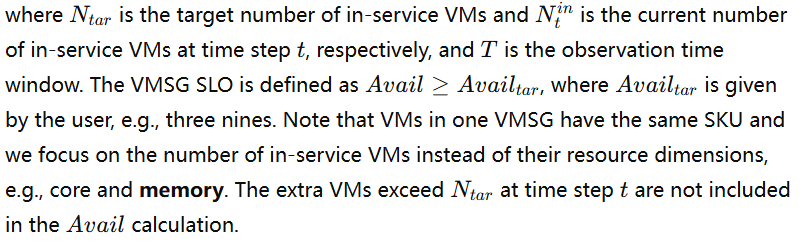
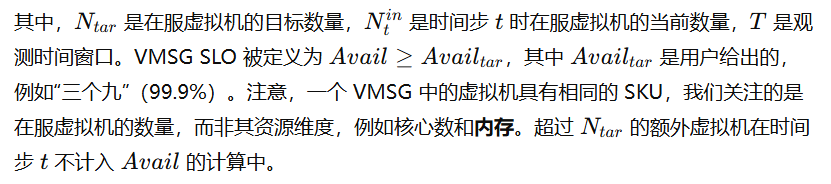
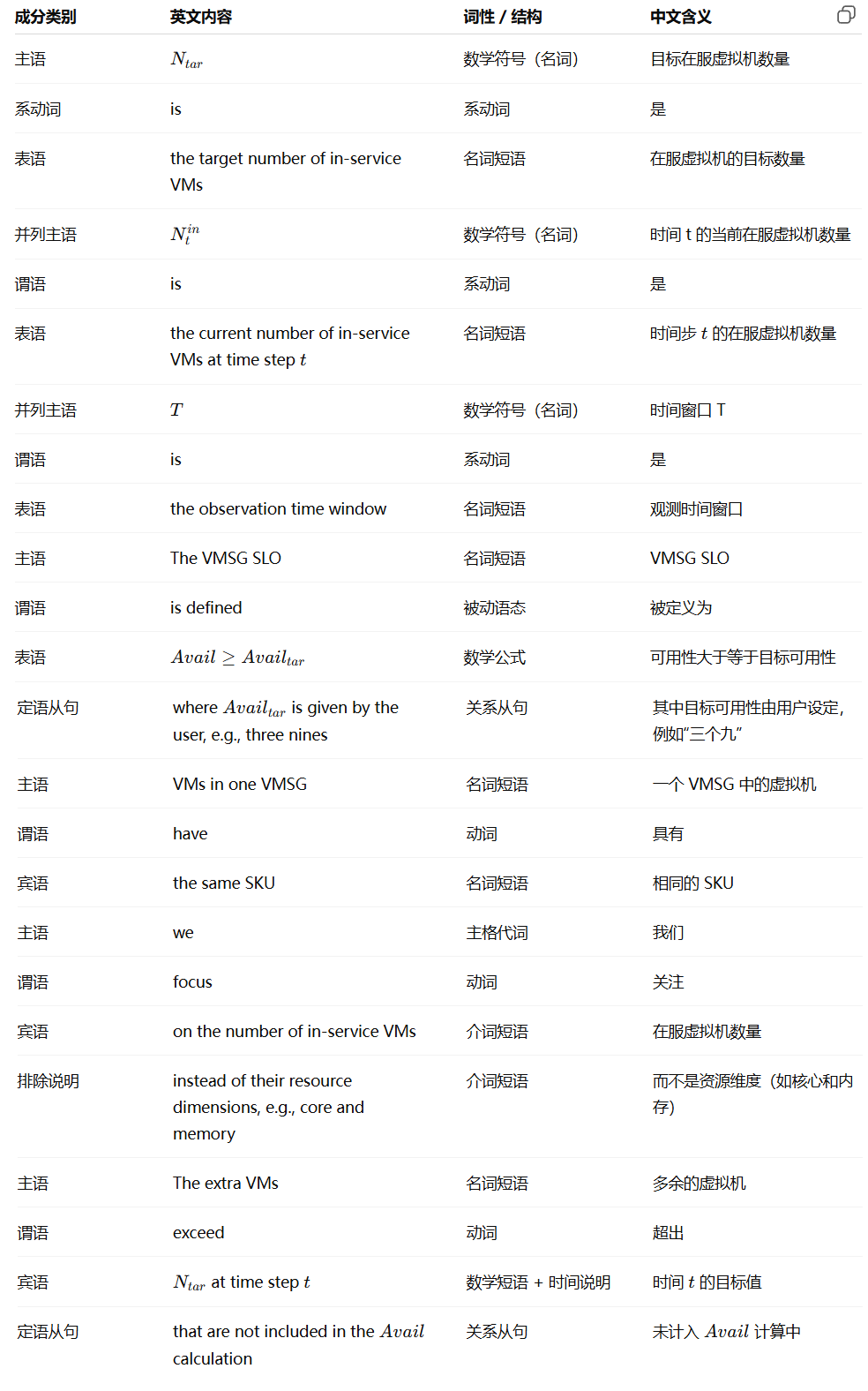
| 成分类别 | 英文内容 | 词性 / 结构 | 中文含义 |
|---|---|---|---|
| 主语 | NtarN_ | 数学符号(名词) | 目标在服虚拟机数量 |
| 系动词 | is | 系动词 | 是 |
| 表语 | the target number of in-service VMs | 名词短语 | 在服虚拟机的目标数量 |
| 并列主语 | NtinN_t^ | 数学符号(名词) | 时间 t 的当前在服虚拟机数量 |
| 谓语 | is | 系动词 | 是 |
| 表语 | the current number of in-service VMs at time step tt | 名词短语 | 时间步 tt 的在服虚拟机数量 |
| 并列主语 | TT | 数学符号(名词) | 时间窗口 T |
| 谓语 | is | 系动词 | 是 |
| 表语 | the observation time window | 名词短语 | 观测时间窗口 |
| 主语 | The VMSG SLO | 名词短语 | VMSG SLO |
| 谓语 | is defined | 被动语态 | 被定义为 |
| 表语 | Avail≥AvailtarAvail \geq Avail_ | 数学公式 | 可用性大于等于目标可用性 |
| 定语从句 | where AvailtarAvail_{tar} is given by the user, e.g., three nines | 关系从句 | 其中目标可用性由用户设定,例如“三个九” |
| 主语 | VMs in one VMSG | 名词短语 | 一个 VMSG 中的虚拟机 |
| 谓语 | have | 动词 | 具有 |
| 宾语 | the same SKU | 名词短语 | 相同的 SKU |
| 主语 | we | 主格代词 | 我们 |
| 谓语 | focus | 动词 | 关注 |
| 宾语 | on the number of in-service VMs | 介词短语 | 在服虚拟机数量 |
| 排除说明 | instead of their resource dimensions, e.g., core and memory | 介词短语 | 而不是资源维度(如核心和内存) |
| 主语 | The extra VMs | 名词短语 | 多余的虚拟机 |
| 谓语 | exceed | 动词 | 超出 |
| 宾语 | NtarN_{tar} at time step tt | 数学短语 + 时间说明 | 时间 tt 的目标值 |
| 定语从句 | that are not included in the AvailAvail calculation | 关系从句 | 未计入 AvailAvail 计算中 |
Spot VMSG SLO. Spot VMSG could enable spot VM auto-restoration [12], i.e., spot VMs are restored after evictions to meet the requirement of VM capacity. Figure 6 (a) shows the distribution of the spot VMSG Availability, excluding short-lived VMSG (less than one day).
Spot VMSG 服务等级目标(SLO)。Spot VMSG 可以实现 Spot 虚拟机的自动恢复 [12],即在被回收后恢复 Spot 虚拟机,以满足虚拟机容量的需求。图 6 (a) 显示了 Spot VMSG 可用性的分布情况,不包括生命周期少于一天的 VMSG。
| 成分类别 | 英文内容 | 词性 / 结构 | 中文含义 |
|---|---|---|---|
| 主语 | Spot VMSG | 名词短语 | Spot 虚拟机组 |
| 谓语 | could enable | 情态动词 + 动词原形 | 可以启用 |
| 宾语 | spot VM auto-restoration [12] | 名词短语 | Spot 虚拟机的自动恢复 [12] |
| 同位解释 | i.e., spot VMs are restored after evictions to meet the requirement of VM capacity | 同位语解释句(完整句) | 即在被回收后恢复 Spot 虚拟机,以满足虚拟机容量的需求 |
| ↳ 主语 | spot VMs | 名词短语 | Spot 虚拟机 |
| ↳ 谓语 | are restored | 被动语态 | 被恢复 |
| ↳ 状语(时间) | after evictions | 介词短语 | 在被回收之后 |
| ↳ 目的状语(原因) | to meet the requirement of VM capacity | 不定式短语 | 为了满足虚拟机容量的需求 |
| ↳ ↳ 宾语 | the requirement of VM capacity | 名词短语 | 虚拟机容量的需求 |
| ↳ ↳ ↳ 定语 | of VM capacity | 介词短语 | 关于虚拟机容量的 |
| 主语 | Figure 6 (a) | 名词短语 | 图 6 (a) |
| 谓语 | shows | 动词 | 显示 |
| 宾语 | the distribution of the spot VMSG Availability | 名词短语 | Spot VMSG 可用性的分布 |
| ↳ 定语 | of the spot VMSG Availability | 介词短语 | 关于 Spot VMSG 可用性的 |
| 状语(附加信息) | excluding short-lived VMSG (less than one day) | 现在分词短语(排除信息) | 不包括生命周期少于一天的 VMSG |
Around 50% spot VMSG have near 99% availability with the spot restoration, still, other spot VMSGs have lower availability due to large evictions.
Figure 6 (b) shows the restoration time, and 90% spot VMs could be restored within one hour.
Figure 7 shows two cases where the VMSG has high and low VMSG availability due to differences in evictions and restoration time. Some spot VMs in the high availability VMSG have no evictions.
大约 50% 的 Spot VMSG 在启用 Spot 恢复功能后拥有接近 99% 的可用性,然而,其他 Spot VMSG 的可用性则较低,这是由于大量的回收操作造成的。
图 6(b) 显示了恢复时间,90% 的 Spot 虚拟机可以在一小时内恢复。
图 7 展示了两个案例,其中 VMSG 的高可用性或低可用性取决于回收次数和恢复时间的差异。在高可用性的 VMSG 中,一些 Spot 虚拟机从未被回收。
| 成分类别 | 英文内容 | 词性 / 结构 | 中文含义 |
|---|---|---|---|
| 主语 | Around 50% spot VMSG | 数量短语 | 大约 50% 的 Spot 虚拟机组 |
| 谓语 | have | 动词 | 拥有 |
| 宾语 | near 99% availability with the spot restoration | 名词短语 | 接近 99% 的可用性(在启用恢复时) |
| ↳ 定语 | with the spot restoration | 介词短语 | 启用 Spot 恢复功能时 |
| 并列转折句主语 | other spot VMSGs | 名词短语 | 其他 Spot 虚拟机组 |
| 并列转折句谓语 | have | 动词 | 拥有 |
| 并列转折句宾语 | lower availability | 名词短语 | 更低的可用性 |
| 原因状语 | due to large evictions | 介词短语 | 由于大量回收 |
| 主语 | Figure 6 (b) | 名词短语 | 图 6(b) |
| 谓语 | shows | 动词 | 显示 |
| 宾语 | the restoration time | 名词短语 | 恢复时间 |
| 并列句主语 | 90% spot VMs | 数量短语 | 90% 的 Spot 虚拟机 |
| 并列句谓语 | could be restored | 情态动词 + 被动语态 | 可以被恢复 |
| 状语 | within one hour | 介词短语 | 在一小时内 |
| 主语 | Figure 7 | 名词短语 | 图 7 |
| 谓语 | shows | 动词 | 展示 |
| 宾语 | two cases | 名词短语 | 两个案例 |
| 定语从句 | where the VMSG has high and low VMSG availability due to differences in evictions and restoration time | 关系从句 | 在这些案例中,VMSG 有高或低可用性(因回收与恢复时间差异) |
| ↳ 主语 | the VMSG | 名词短语 | VMSG |
| ↳ 谓语 | has | 动词 | 有 |
| ↳ 宾语 | high and low VMSG availability | 名词短语 | 高和低的 VMSG 可用性 |
| ↳ 原因状语 | due to differences in evictions and restoration time | 介词短语 | 由于回收与恢复时间的差异 |
| 主语 | Some spot VMs in the high availability VMSG | 名词短语 | 高可用性 VMSG 中的一些 Spot 虚拟机 |
| 谓语 | have | 动词 | 有 |
| 宾语 | no evictions | 名词短语 | 没有被回收 |
3.3 Spot VM Price
We investigate the spot VM price changing intervals as shown in Figure 8(a). 80% spot VMs keep the price for around one month before changing to a new price.
Figure 8(b) shows the savings of using spot VMs instead of on-demand VMs, and spot VMs can achieve 60% ∼ 90% savings.
我们研究了 Spot 虚拟机价格的变动周期,如图 8(a) 所示。80% 的 Spot 虚拟机在更改为新价格之前,会保持当前价格大约一个月。
图 8(b) 显示了使用 Spot 虚拟机替代按需虚拟机的节省效果,Spot 虚拟机最多可节省 60% ∼ 90% 的成本。
| 成分类别 | 英文内容 | 词性 / 结构 | 中文含义 |
|---|---|---|---|
| 主语 | We | 主格代词 | 我们 |
| 谓语 | investigate | 动词 | 调查、研究 |
| 宾语 | the spot VM price changing intervals | 名词短语 | Spot 虚拟机价格变动区间 |
| 状语(方式) | as shown in Figure 8(a) | 状语短语(被动) | 如图 8(a) 所示 |
| 主语 | 80% spot VMs | 数量短语 | 80% 的 Spot 虚拟机 |
| 谓语 | keep | 动词 | 保持 |
| 宾语 | the price | 名词短语 | 价格 |
| 时间状语 | for around one month | 介词短语 | 持续大约一个月 |
| 时间状语 | before changing to a new price | 时间状语从句(before + v-ing) | 在变为新价格之前 |
| ↳ 动词短语 | changing to a new price | 动名词短语 | 更改为新价格 |
| 主语 | Figure 8(b) | 名词短语 | 图 8(b) |
| 谓语 | shows | 动词 | 展示 |
| 宾语 | the savings of using spot VMs instead of on-demand VMs | 名词短语 | 使用 Spot 虚拟机代替按需虚拟机的节省效果 |
| 并列句主语 | spot VMs | 名词短语 | Spot 虚拟机 |
| 并列句谓语 | can achieve | 情态动词 + 动词原形 | 可以实现 |
| 宾语 | 60% ∼ 90% savings | 名词短语 | 60% 到 90% 的节省 |
3.4 High-Level Takeaways
We summarize a few insights from the above empirical study:
-
The region-level eviction rate shows a temporal pattern that it is higher on peak hours, e.g., weekdays and working hours, with high resource utilization and a large amount of on-demand VM deployments. These eviction patterns show the possibility of eviction prediction considering the features of time, resource utilization, and deployments.
-
Spot VMs intend to have lower eviction risks if located in nodes with high spottiness and stableness. It inspires us to consider local VMSG features when learning dynamic mixture policy, including the node features where VMs in this VMSG locate.
-
Around half of spot VMSGs have 90% availability which motivates us to design a mixture VMSG to improve the availability considering the large cost savings of using spot VMs.
我们从上述实证研究中总结出以下几点见解:
第一条:
区域级别的回收率呈现时间上的变化模式,在高峰时段(例如工作日和工作时间)会更高,这与资源利用率高和大量按需虚拟机部署有关。这些回收模式表明,可以考虑时间、资源利用率和部署特征来进行回收预测。
第二条:
如果 Spot 虚拟机位于具有高 spottiness(抢占特性)和稳定性的节点中,则通常具有较低的回收风险。这启发我们在学习动态混合策略时,应考虑本地 VMSG 的特征,包括该 VMSG 中虚拟机所在节点的特征。
第三条:
大约一半的 Spot VMSG 拥有 90% 的可用性,这促使我们设计混合型 VMSG,以在大幅节省成本的同时提升可用性。
| 成分类别 | 英文内容 | 词性 / 结构 | 中文含义 |
|---|---|---|---|
| 主语 | The region-level eviction rate | 名词短语 | 区域级别的回收率 |
| 谓语 | shows | 动词 | 显示 |
| 宾语 | a temporal pattern | 名词短语 | 一种时间模式 |
| 表语从句 | that it is higher on peak hours | 宾语从句 | 它在高峰时段更高 |
| ↳ 主语 | it | 主格代词 | 它 |
| ↳ 谓语 | is | 系动词 | 是 |
| ↳ 表语 | higher on peak hours | 比较级 + 介词短语 | 在高峰期更高 |
| ↳ 例证状语 | e.g., weekdays and working hours | 举例短语 | 例如:工作日和上班时间 |
| 原因状语 | with high resource utilization and a large amount of on-demand VM deployments | 介词短语 | 由于资源利用率高及按需虚拟机部署多 |
| 主语 | These eviction patterns | 名词短语 | 这些回收模式 |
| 谓语 | show | 动词 | 表明 |
| 宾语 | the possibility of eviction prediction | 名词短语 | 回收预测的可能性 |
| 状语 | considering the features of time, resource utilization, and deployments | 现在分词短语 | 考虑时间、资源利用率和部署等特征 |
| 主语 | Spot VMs | 名词短语 | Spot 虚拟机 |
| 谓语 | intend to have | 动词短语 | 倾向于拥有 |
| 宾语 | lower eviction risks | 名词短语 | 更低的回收风险 |
| 条件状语 | if located in nodes with high spottiness and stableness | 条件状语从句(被动语态) | 如果位于抢占性高且稳定性强的节点中 |
| 主语 | It | 主格代词 | 这(种情况) |
| 谓语 | inspires | 动词 | 启发 |
| 宾语 | us | 宾格代词 | 我们 |
| 补足语 | to consider local VMSG features when learning dynamic mixture policy | 不定式短语 | 在学习动态混合策略时考虑本地 VMSG 特征 |
| ↳ 包括短语 | including the node features where VMs in this VMSG locate | 现在分词短语 | 包括该 VMSG 中虚拟机所在节点的特征 |
| 主语 | Around half of spot VMSGs | 数量短语 | 大约一半的 Spot 虚拟机组 |
| 谓语 | have | 动词 | 拥有 |
| 宾语 | 90% availability | 名词短语 | 90% 的可用性 |
| 定语从句 | which motivates us to design a mixture VMSG | 关系从句 | 这促使我们设计一个混合型 VMSG |
| ↳ 动词不定式 | to design a mixture VMSG | 不定式 | 去设计一个混合型 VMSG |
| 目的状语 | to improve the availability considering the large cost savings of using spot VMs | 不定式短语 + 状语 | 为了提升可用性,同时考虑使用 Spot 虚拟机的大幅节省 |